2026 Ultimate Pool Vacuum Review
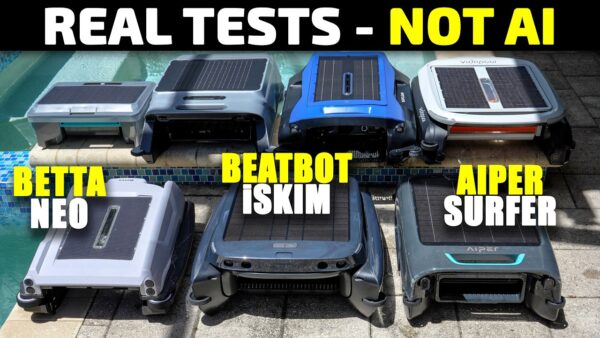
May 29, 2026Will this be the year that a high-tech robotic pool cleaner finally outperforms a budget model with a random pattern? Today I’ve got 10 new robotic pool cleaners from Dolphin, Aiper, Beatbot, Ecovacs, MOVA, and more and I’m going to test their pool coverage, suction, filtration, waterline cleaning, shallow area performance, and more to help you pick the robot that will work best for your pool. As always there are no sponsored reviews on this channel.
Pool Coverage
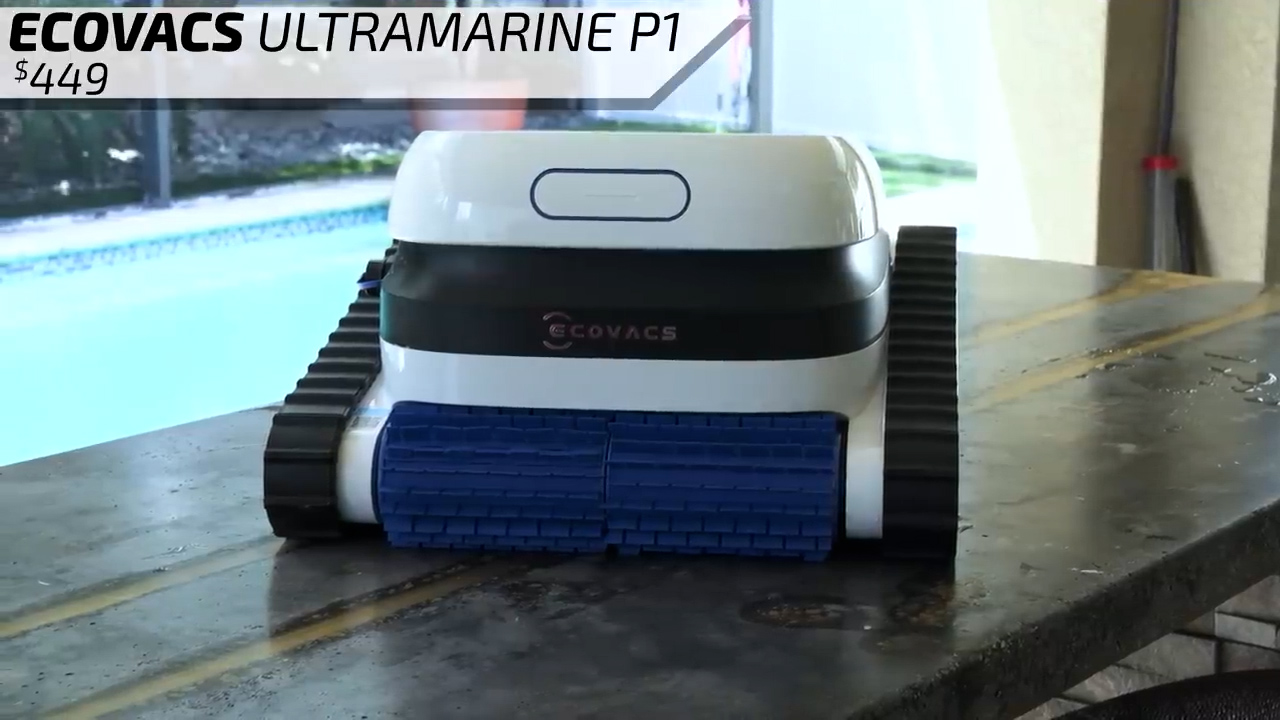
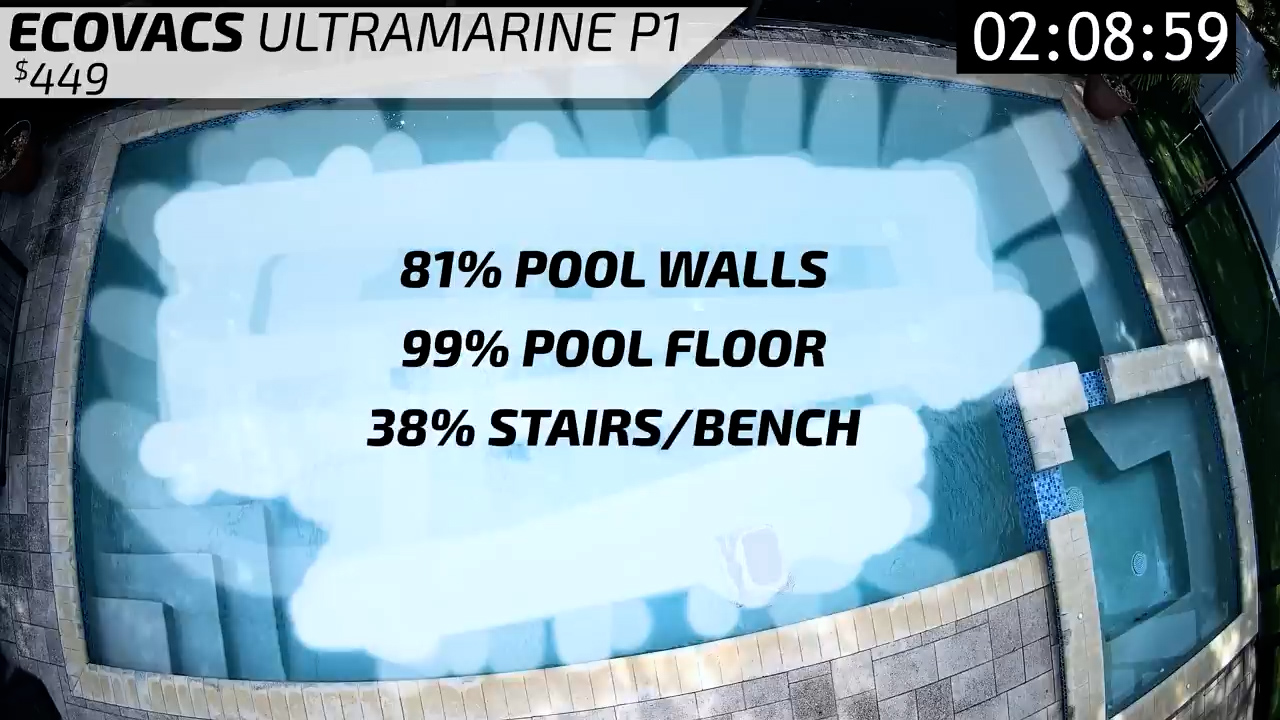
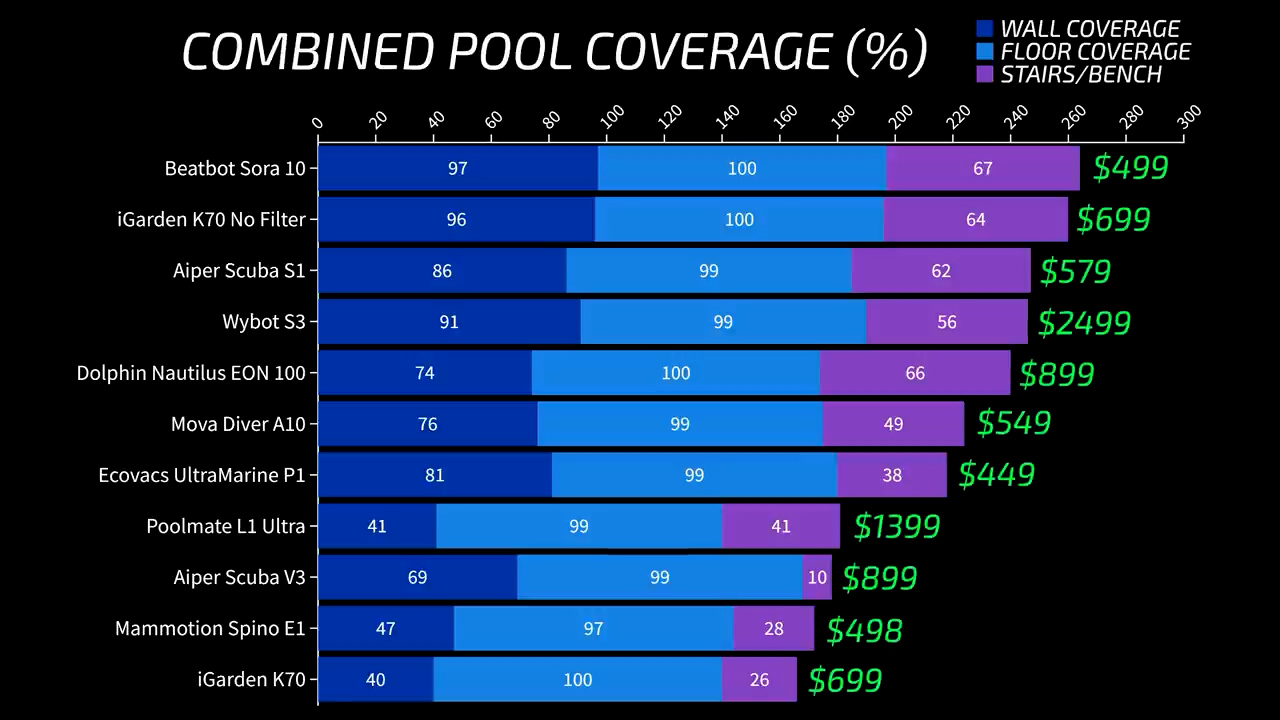
Starting with pool coverage, the least expensive robot in this video, the Ecovacs Ultramarine P1 spent approximately 45 minutes in wall and waterline cleaning mode before switching to a somewhat controlled floor cleaning mode for the remainder of its battery. Overall, the Ecovacs cleaned for 2 hours and 9 minutes and covered 81% of the pool walls, 99% of the pool floor, and 38% of the stairs and bench seat area.
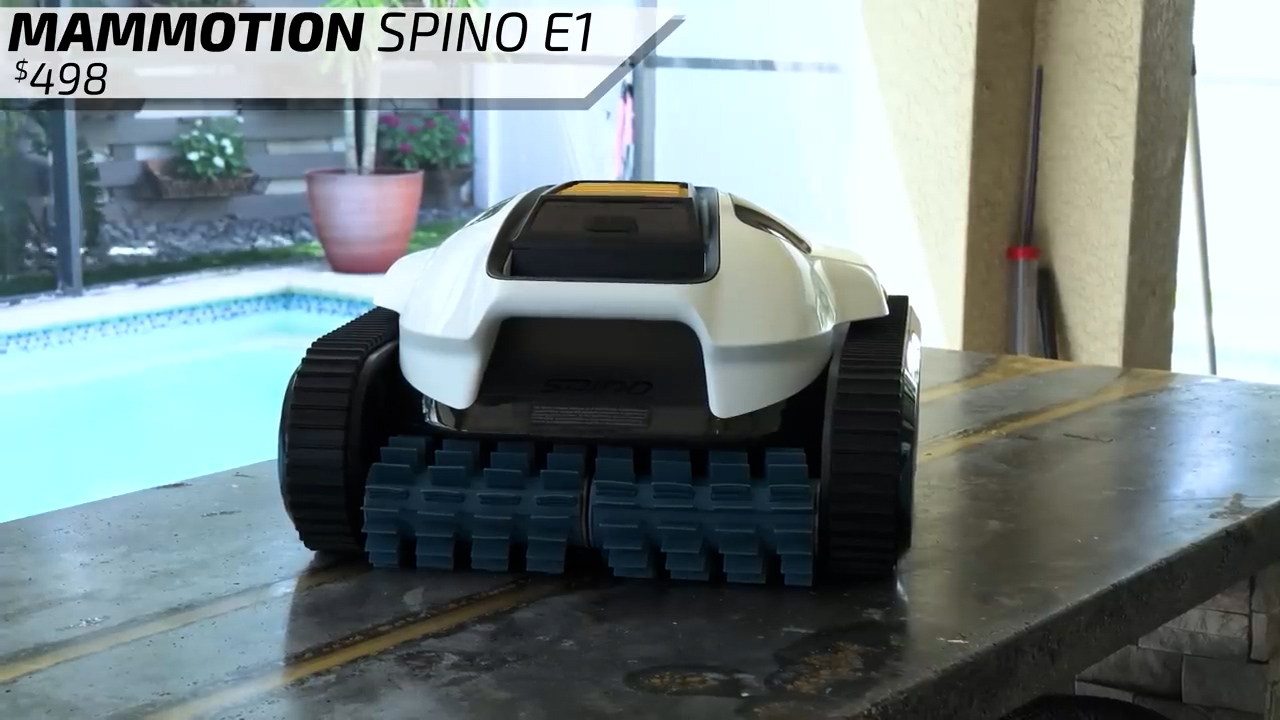
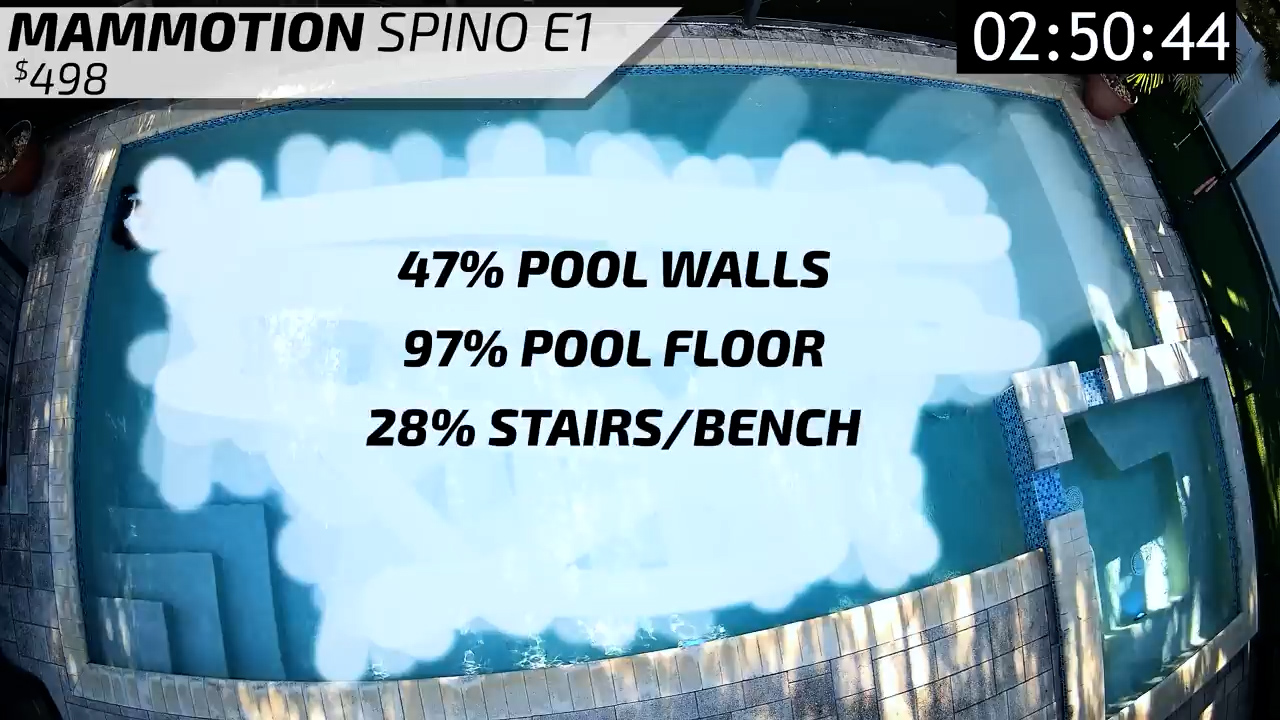
Next, for $498 is the Mammotion Spino E1 which spent roughly an hour in wall only mode but got stuck in the deep end and bench area for almost that entire time before switching to floor only mode where it had decent coverage using what appeared to be a fairly random pattern. After its 2 hour and 51 minute cleaning session, the Spino E1 covered 47% of the pool walls, 97% of the pool floor, and 28% of the stairs and bench seat.
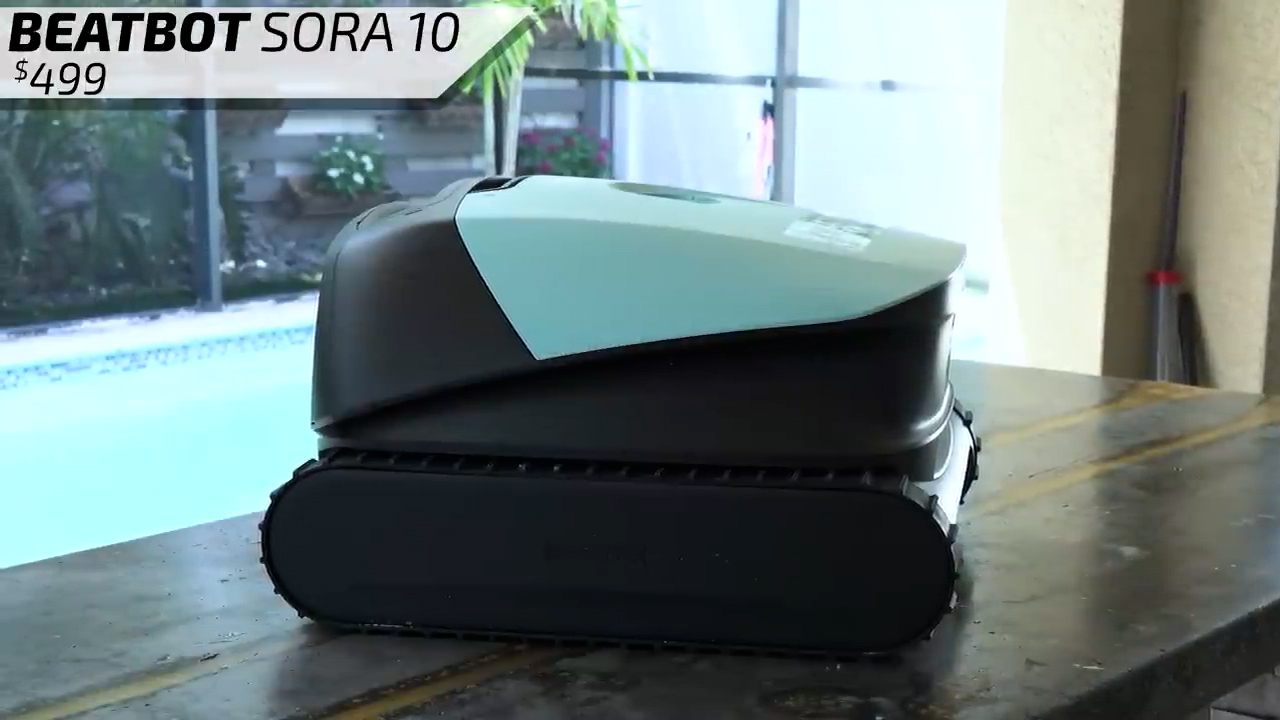
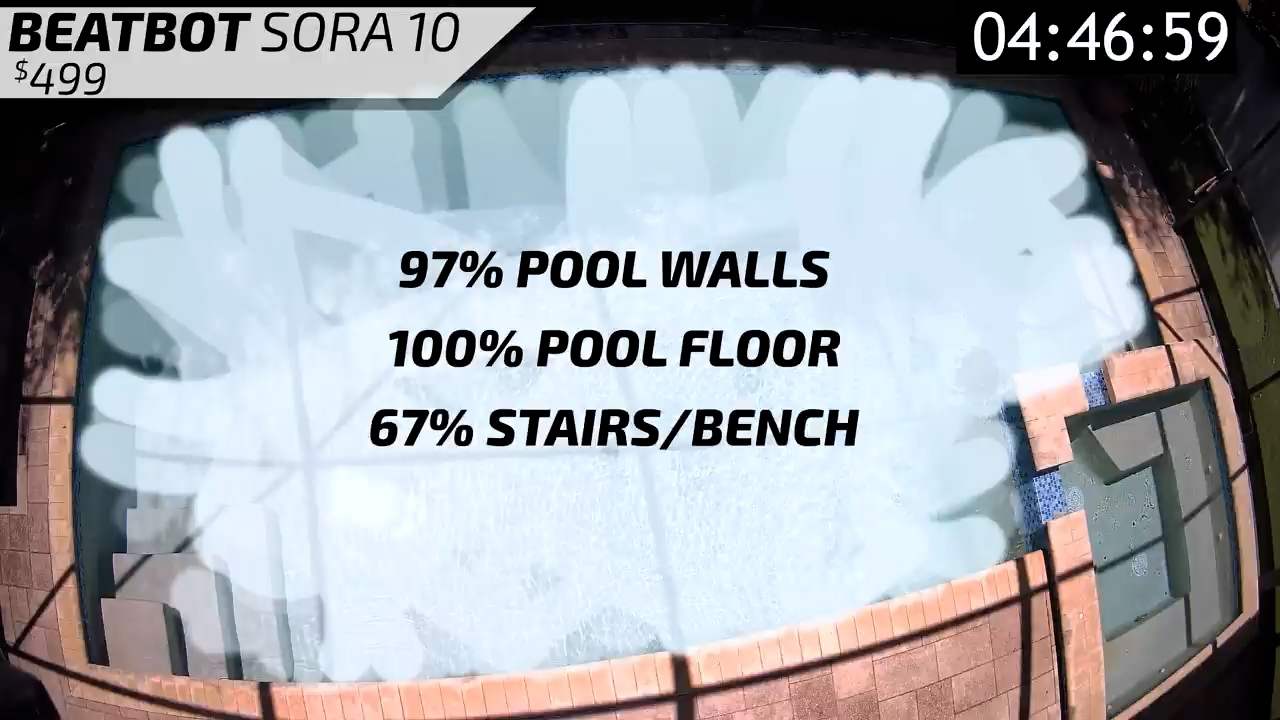
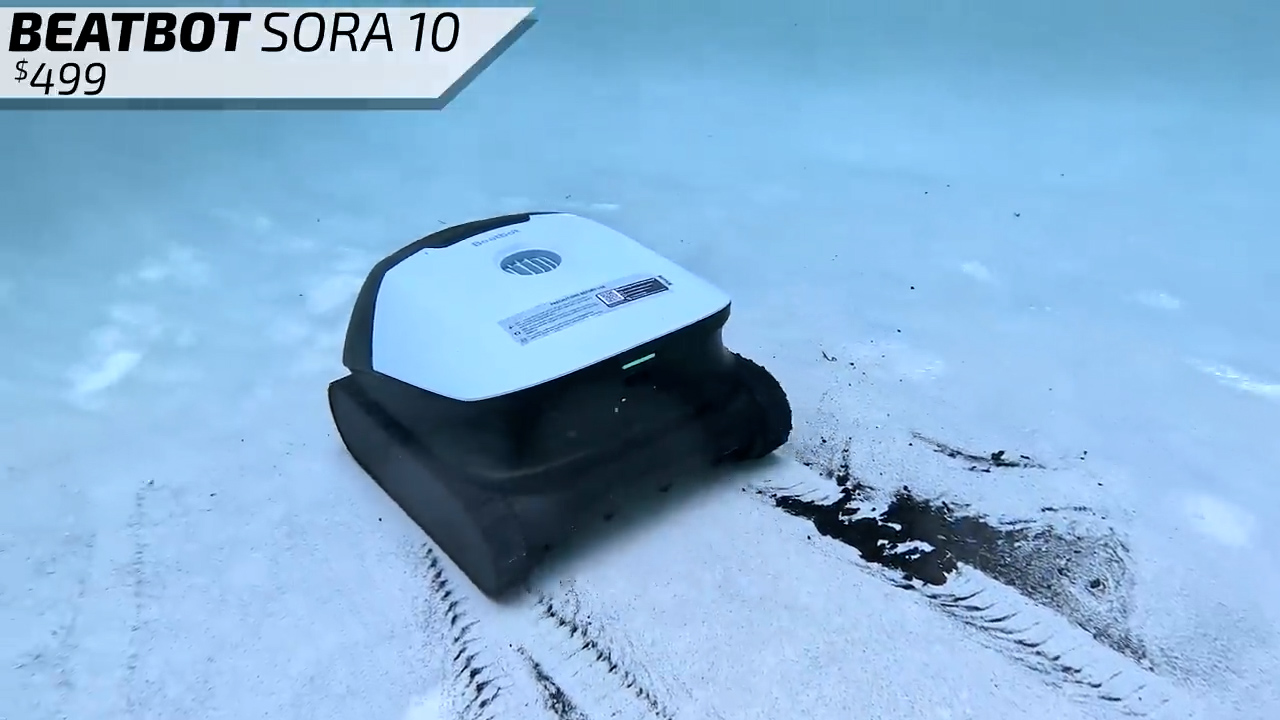
After that for $499 is the Beatbot Sora 10, a new budget option from Beatbot, who is generally known for their very expensive pool robots. The new Sora 10 stayed in a hybrid wall and floor pattern for the entire 4 hours and 47 minute cleaning session and did an absolutely excellent job, covering 97% of the pool walls, 100% of the pool floor, and even 67% of the stairs and bench seat area, moving it into a commanding lead for first place so far.
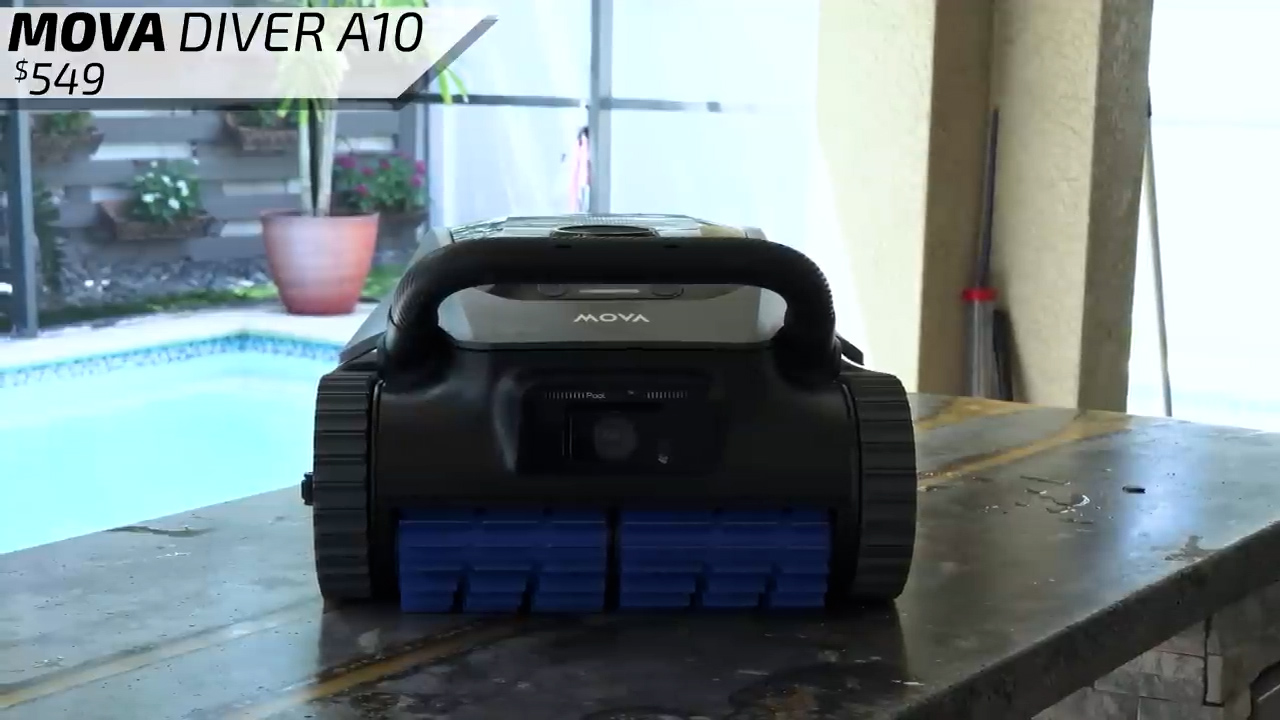
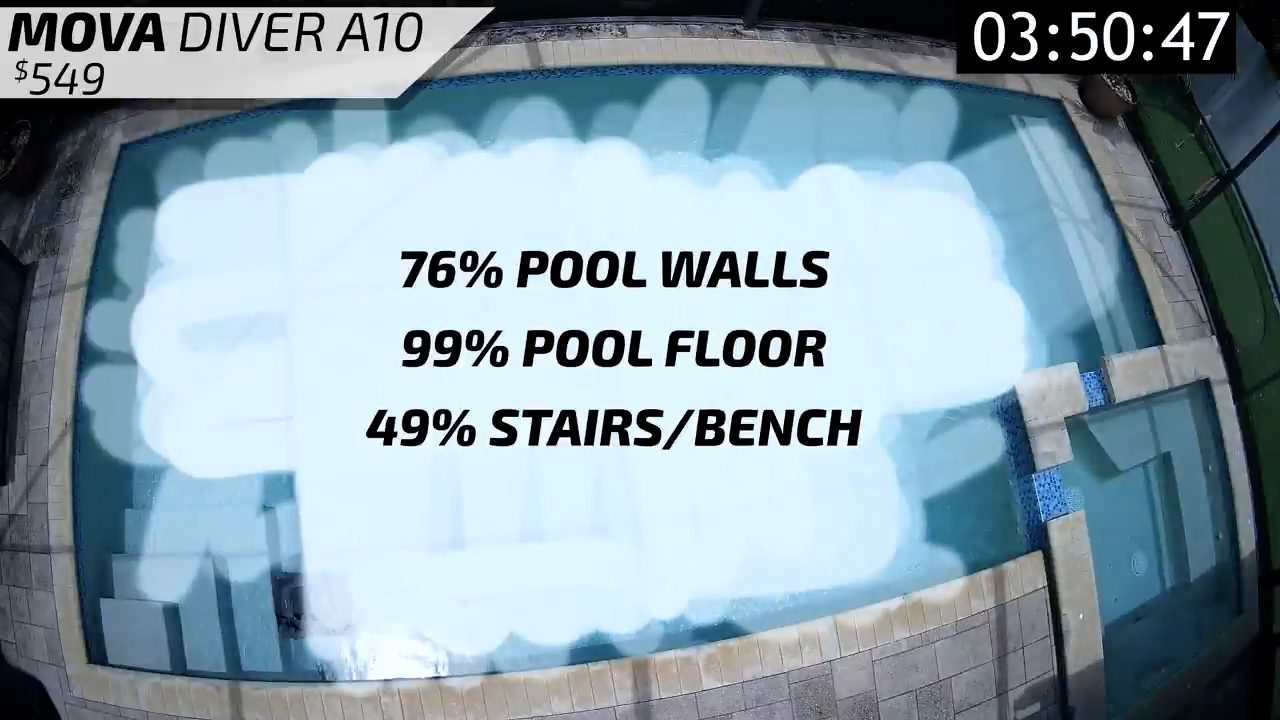
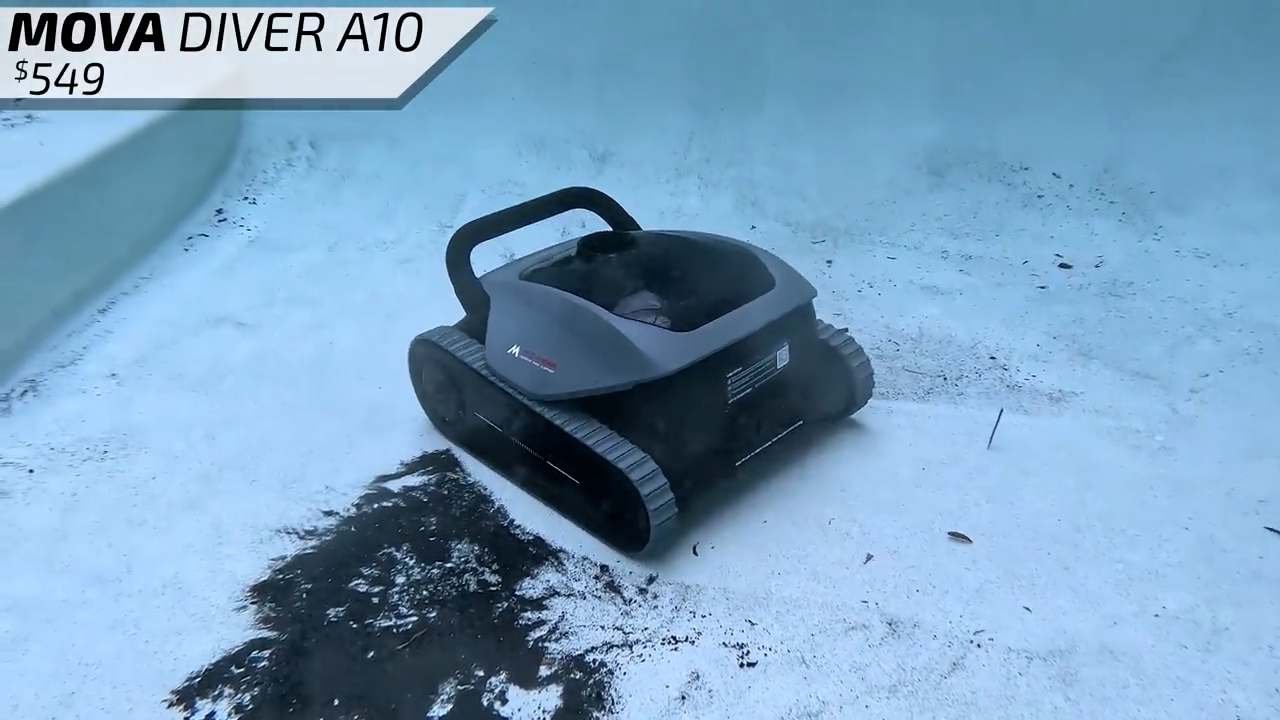
Next for $549 is the Mova Diver A10, which is Mova’s first attempt at a robotic pool cleaner. Despite getting briefly stuck in the deep end, the Diver A10 had very good wall coverage during its first 1 hour and 30 minutes before switching to a controlled floor-only mode. In its 3 hour and 51 minute cleaning session it covered 76% of the pool walls, 99% of the pool floor, and 49% of the stairs and bench, putting it in 2nd place behind the Beatbot.
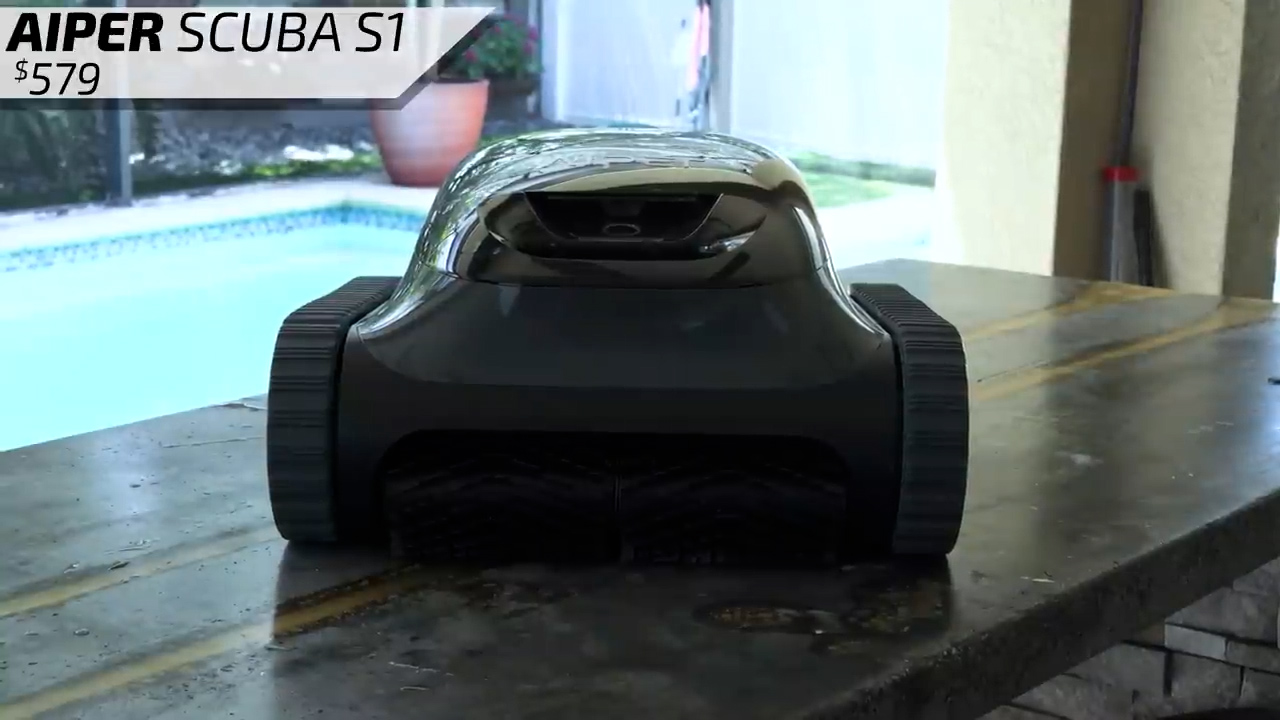
After that for $579 is the Aiper Scuba S1, which has been my blanket recommendation for the last two years due to its solid performance and reasonable price point. Just like in previous years, the Scuba S1 stayed in wall only mode for around two and a half hours before switching to a floor only mode. In its 4 hour and 5 minute cleaning session, it covered 86% of the pool walls, 99% of the pool floor, and 62% of the stairs and bench, taking over 2nd place but not quite able to best the Beatbot.

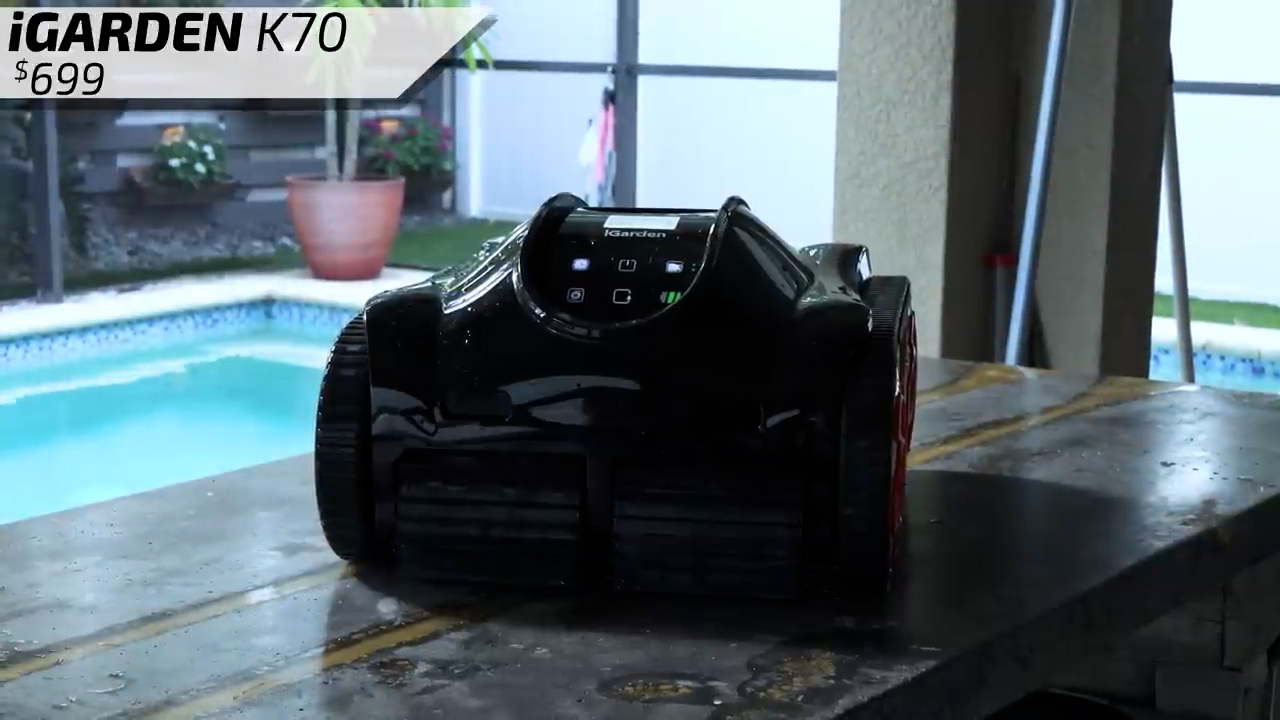
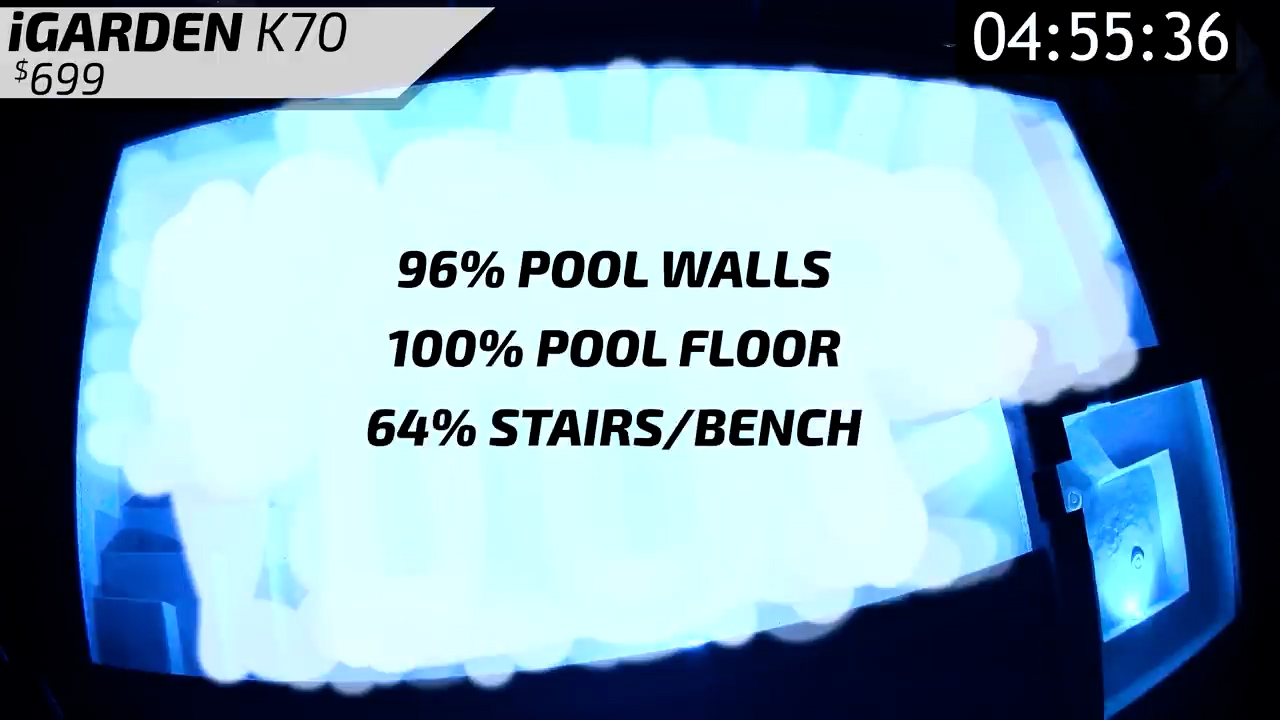
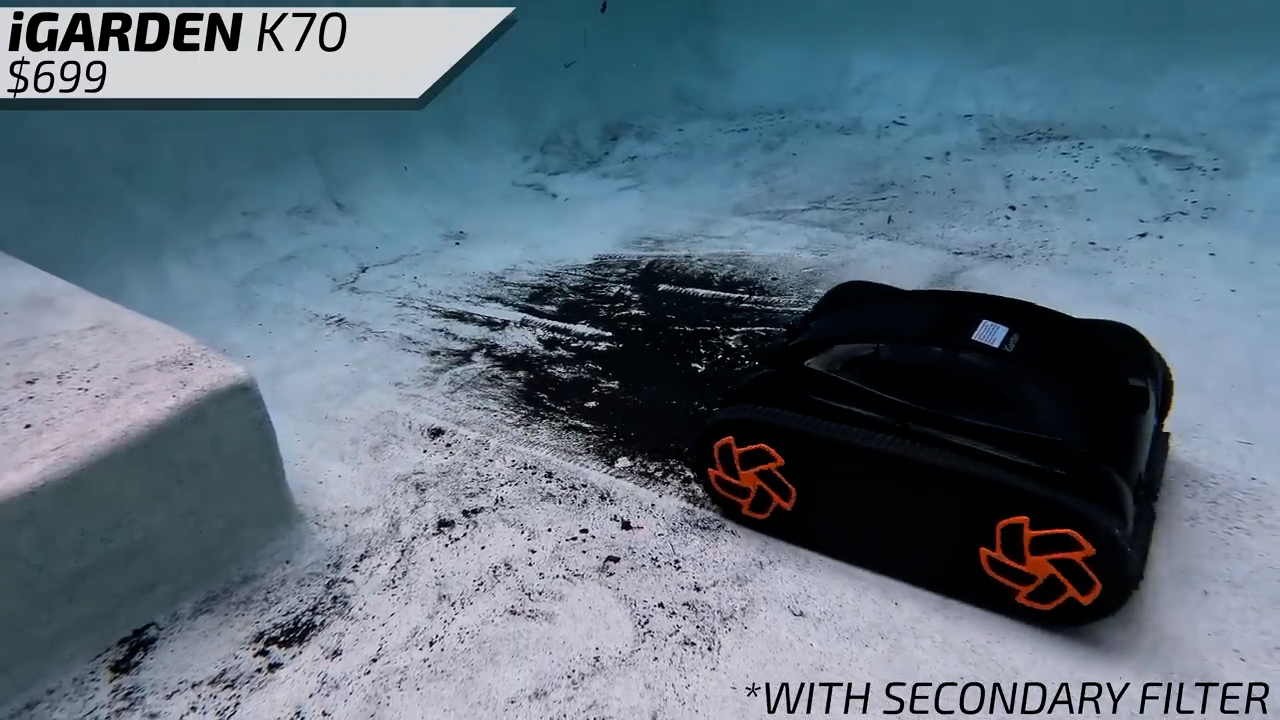
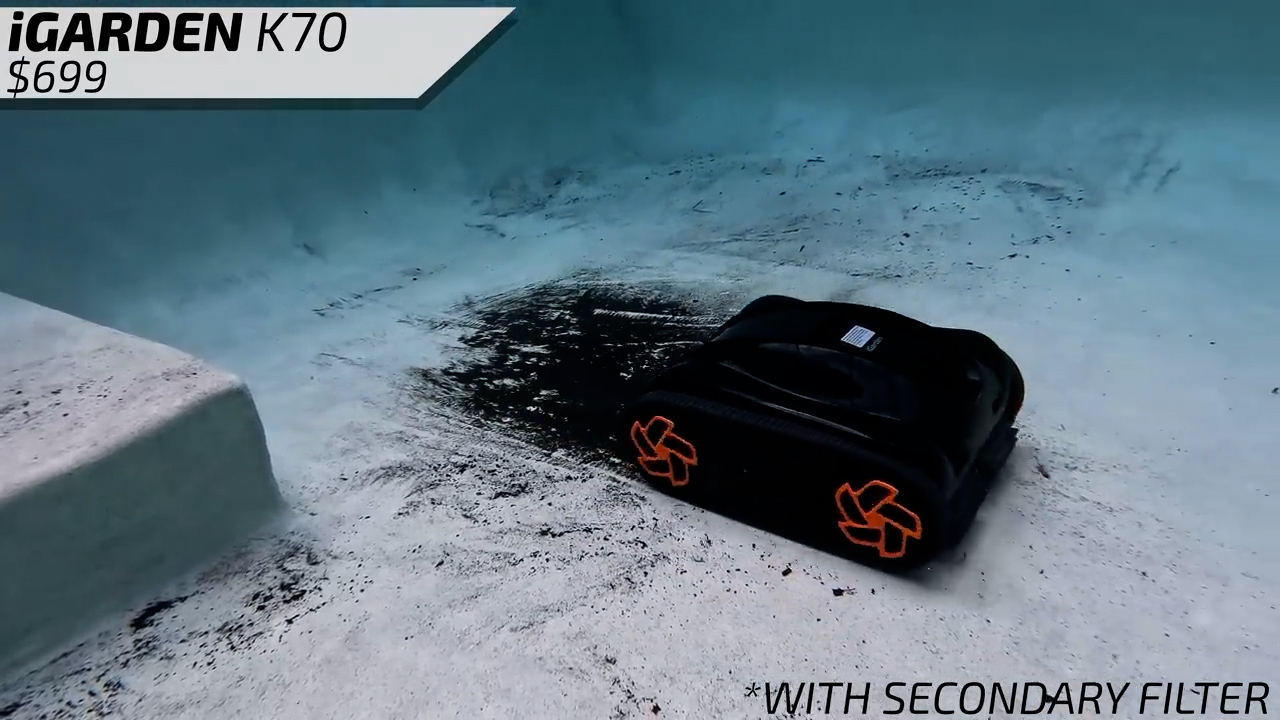
After that for $699 is the iGarden K70, and this one is going to require some further explanation. I ran through my entire series of tests with the K70, and it did pretty poorly. It wasn’t until I was shooting b-roll of each robot’s filter that I noticed the K70 had a secondary 40-micron filter that isn’t mentioned anywhere online. With the secondary filter installed, the K70 ran for 3 hours and 15 minutes despite advertising 7 hours of runtime and only climbed about 30% up the height of the walls, leading to a less than impressive coverage of 40% of the walls, 100% of the pool floor, and 26% of the stairs and bench area. But I re-ran the tests without the secondary filter installed and this time the K70 ran for 4 hours and 54 minutes, the longest of any robot in the video and covered 96% of the pool walls, 100% of the pool floor and 64% of the stairs and bench, putting it in 2nd place right behind the Beatbot.
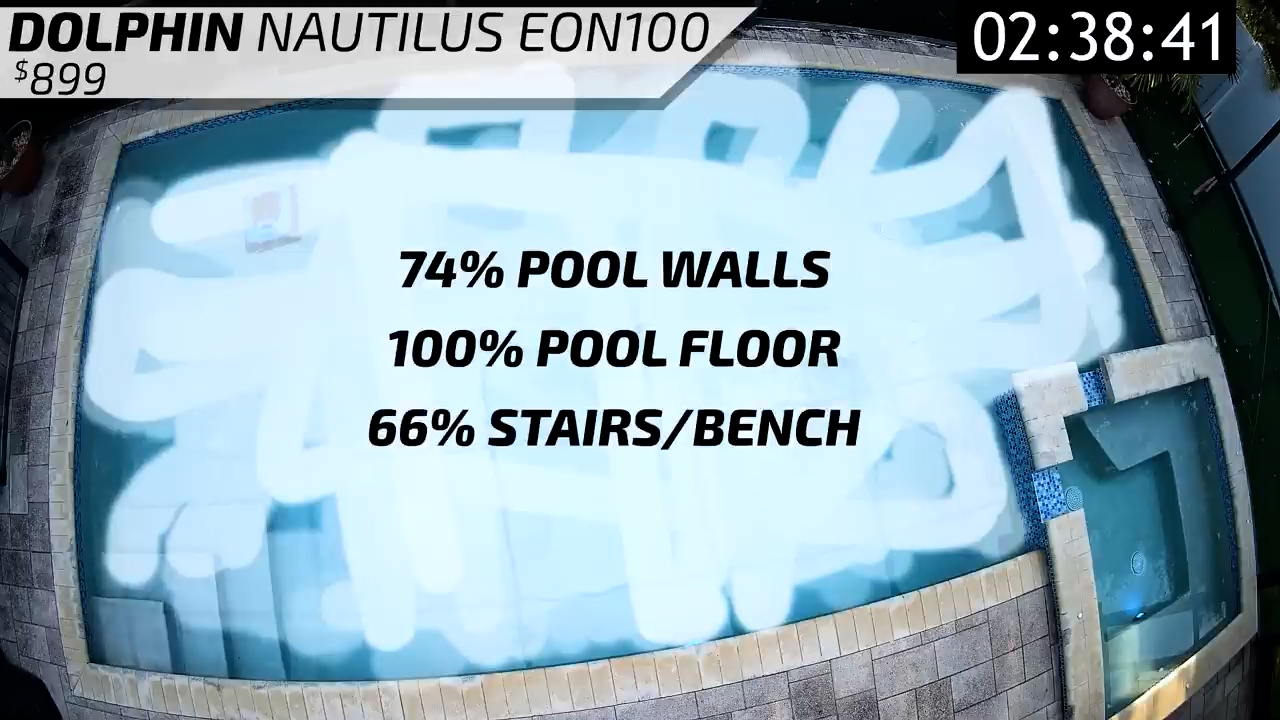
Next for $899 is the Dolphin Nautilus EON 100. Despite having run the Dolphin a half dozen times before this and Dolphin advertising SmartMap capabilities, it looked like it was mostly just randomly cleaning. It did miss a large section of wall and didn’t try to clean above the bench seat but ended up cleaning for 2 hours and 38 minutes and covering 74% of the walls, 100% of the floors, and 66% of the bench and stair area, which is good enough for 4th place so far.

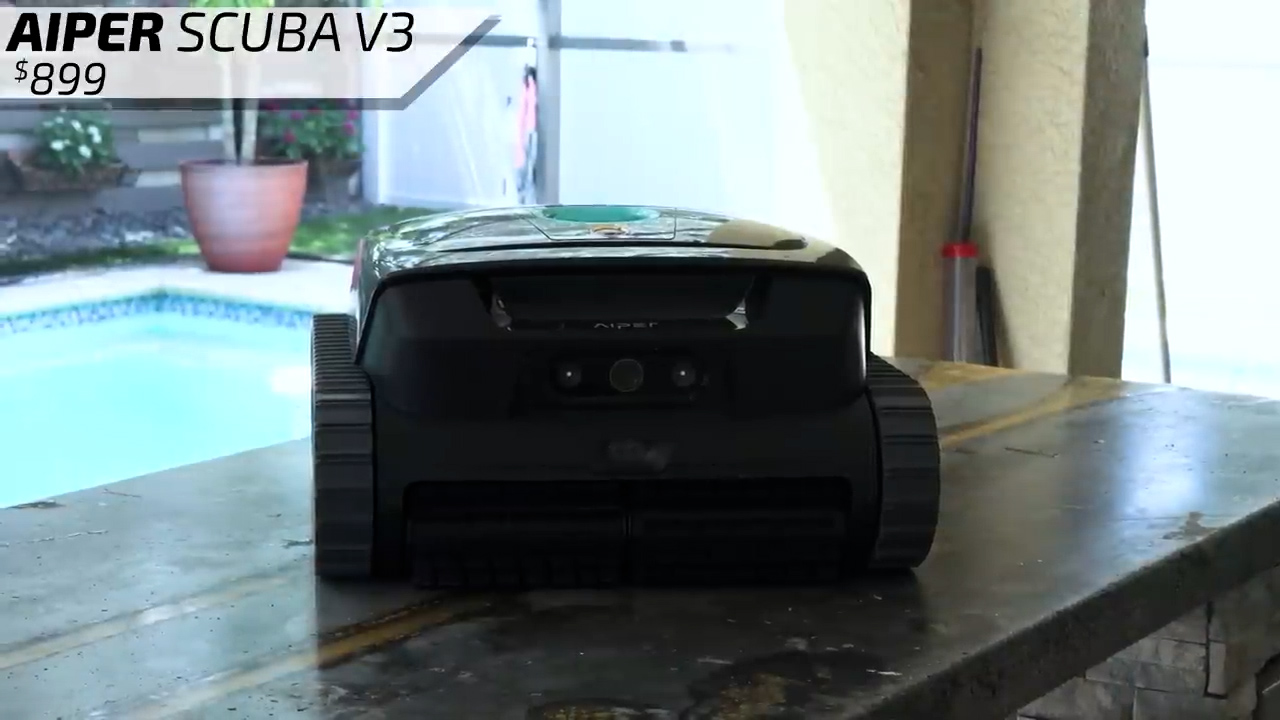
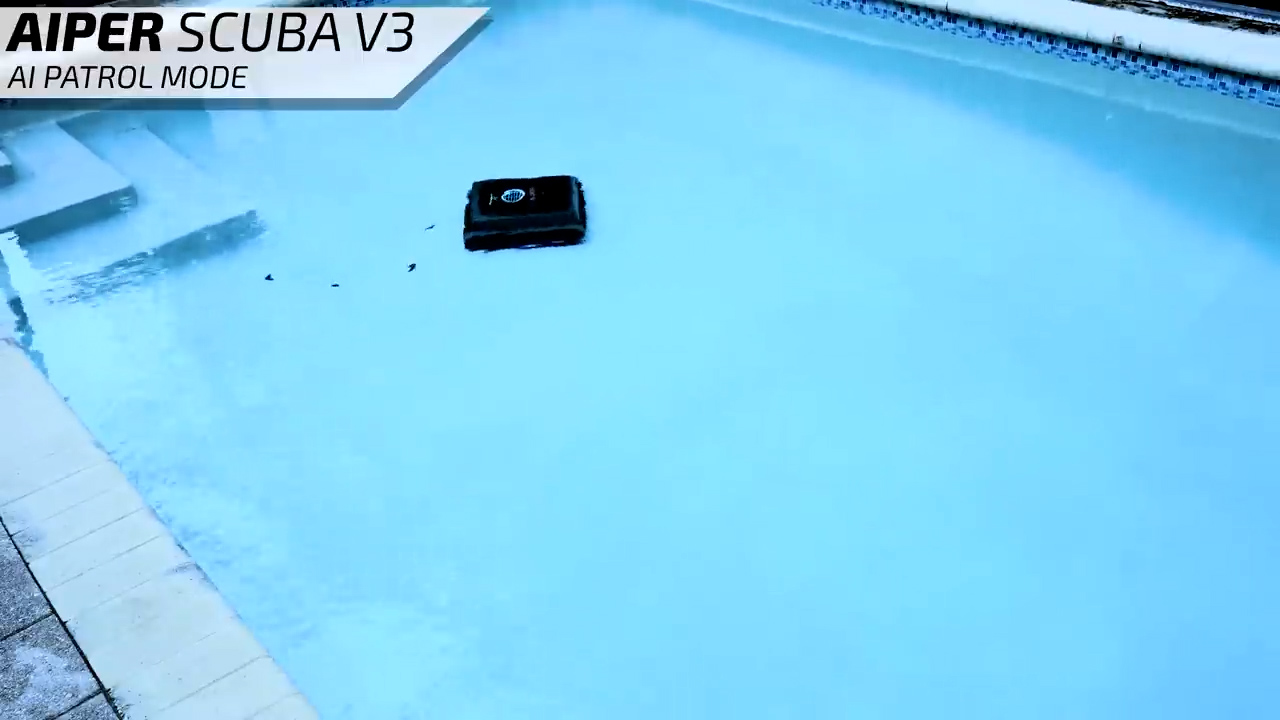
Also for $899 is the new Aiper Scuba V3, which is similar in size to the S1, but has a top mounted exhaust port and camera to help it map out your pool and target debris. However, the extra tech didn’t help with pool coverage and the Scuba V3 cleaned the walls for the first one hour and 15 minutes, but never got onto the stairs or bench seat, before switching to floor only mode. Overall, the Scuba V3 cleaned for 3 hours and 14 minutes and covered 69% of the pool walls, 99% of the pool floor, and only 10% of the stairs and bench area, which must not have been mapped properly.

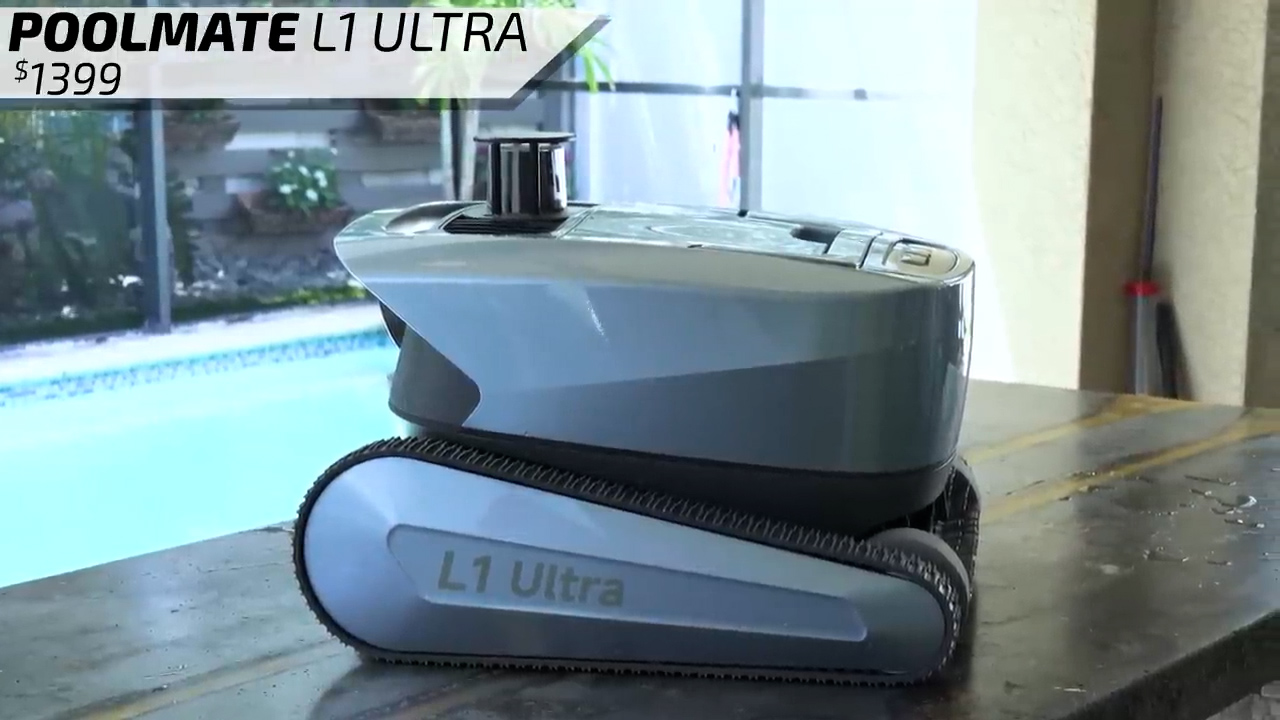
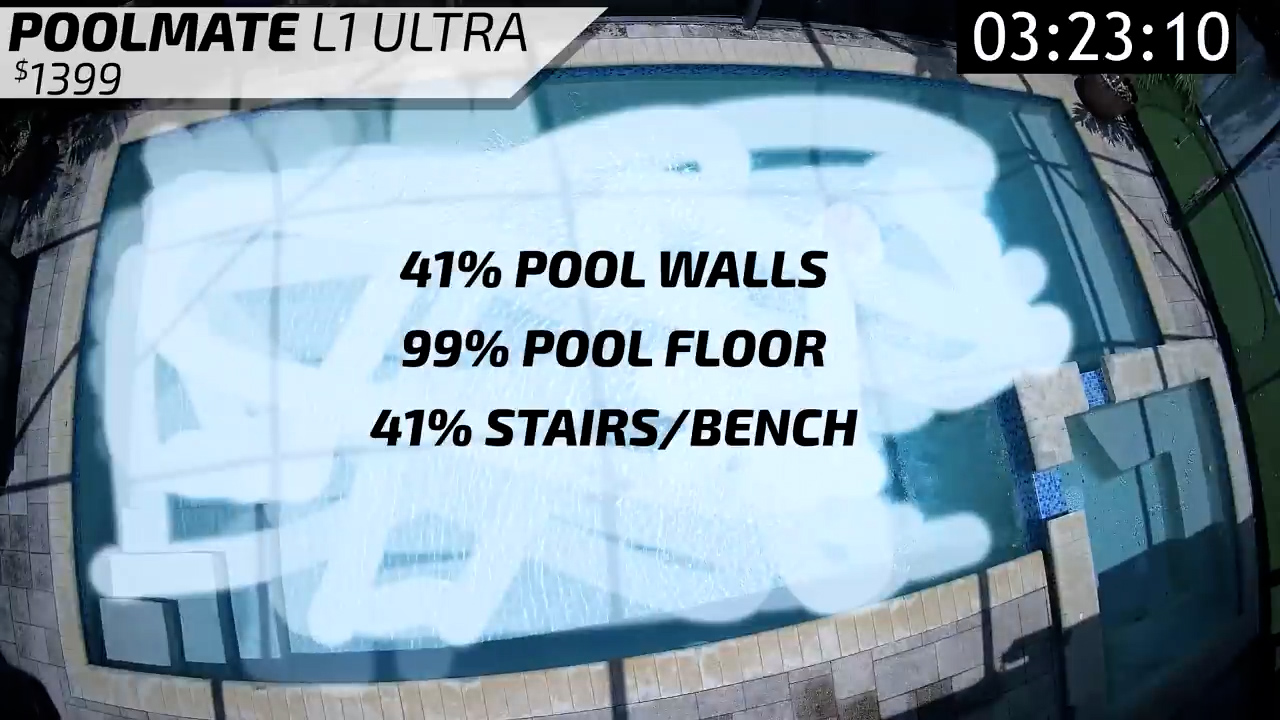
Next, speaking of pool mapping, the $1399 Poolmate L1 Ultra includes a top mounted LiDAR sensor similar to what you’d find on a robotic vacuum. Ideally, the L1 Ultra is supposed to be able to use that sensor to map your pool and achieve perfect coverage, but in practice the L1 Ultra seemed very confused and spent an hour and 30 minutes cleaning one corner of the pool before switching to floor only mode. In its 3 hour and 23 minute session, it only covered 41% of the pool walls, 99% of the pool floor, and 41% of the stairs and bench area.
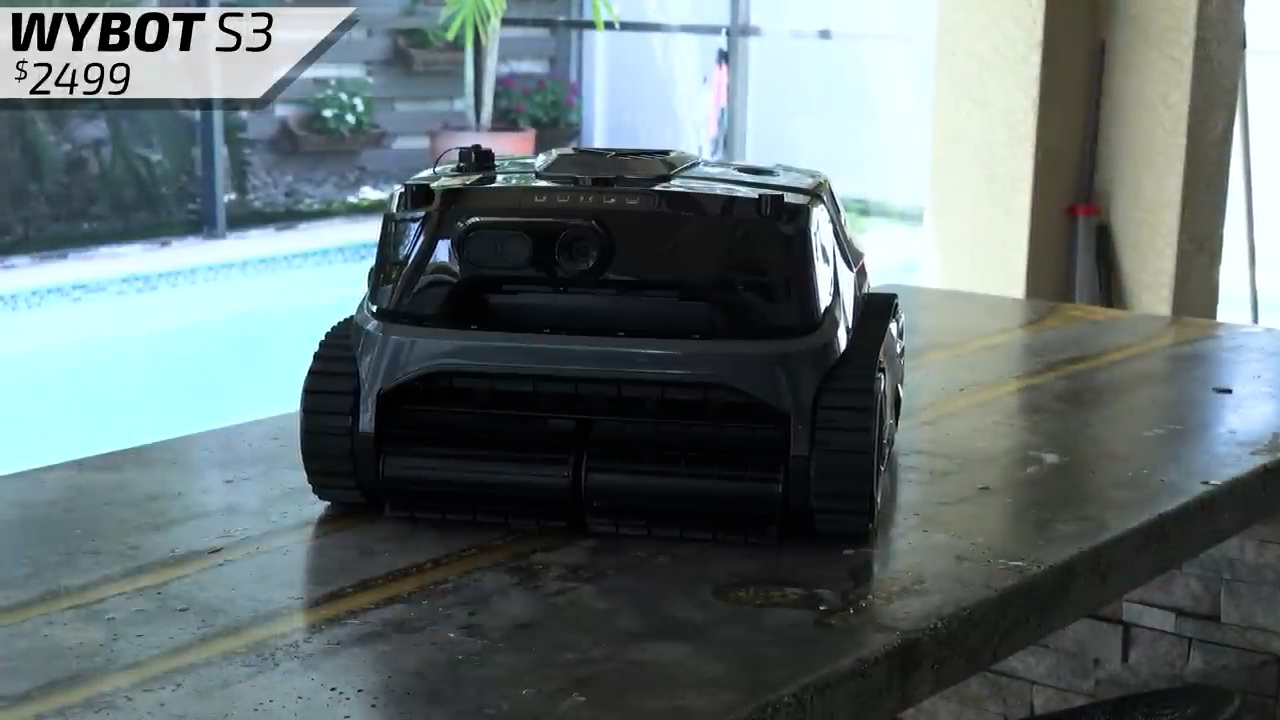
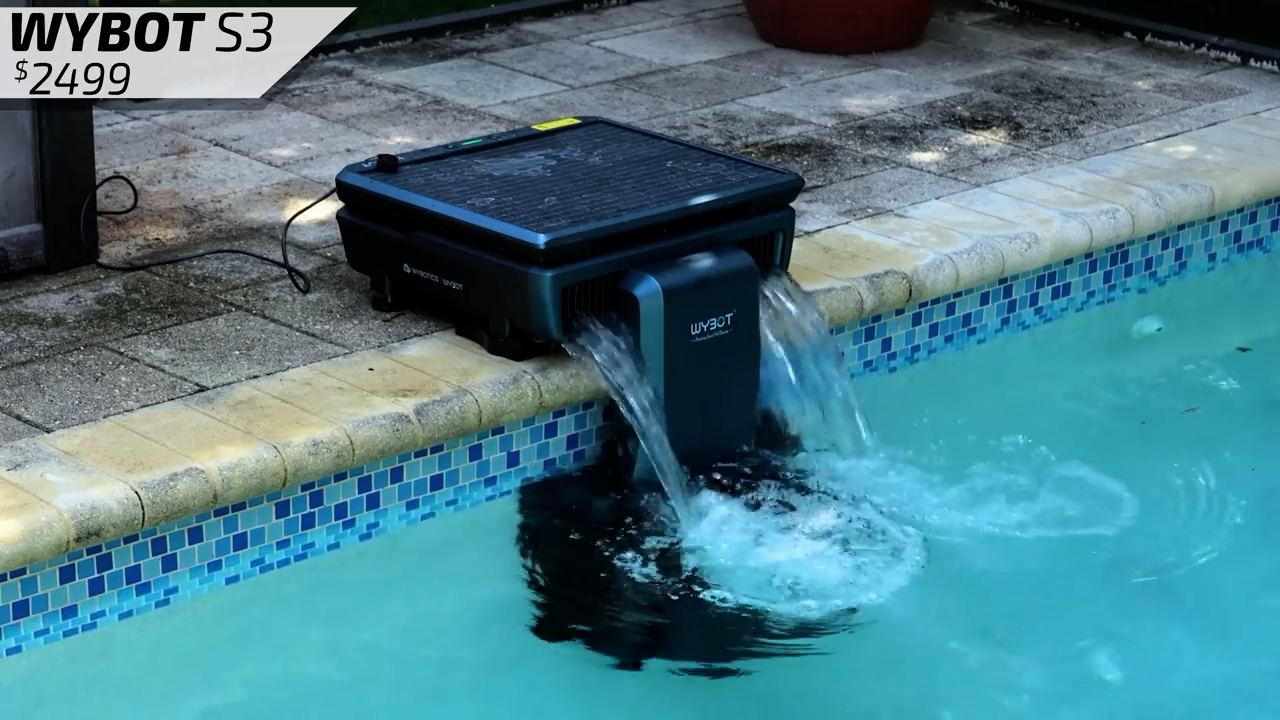
Last, jumping up very significantly in price is the Wybot S3 with its solar powered auto empty and recharge dock. The Wybot stayed in a hybrid wall and floor cleaning mode for the entire 2 hour and 20 minute session where it covered 91% of the walls, 99% of the pool floor, and 56% of the stairs and bench area, putting it in 3rd place overall.

So, for the 4th year in a row, a random pattern budget robot has taken the top spot for pool coverage. Also for the 4th year in a row, there is basically no correlation between price and pool coverage.
Leaf Pickup
But while coverage is important, just driving over every part of the pool doesn’t mean the robots are actually doing a good job cleaning. So, next I tested their debris pickup, and this is the first part of this video where you will need to decide what kind of cleaning is a priority for you and your pool. Starting with leaf and large debris pickup, if you have a pool where constant leaf litter is a problem, then this section is for you.
There are three key features that determine how well a pool vacuum can deal with leaves and other neutrally buoyant debris. First is suction, and you want a robot that not only cleans leaves that it directly passes over, but also one that has enough suction to pull in surrounding debris. The Beatbot Sora 10, Aiper Scuba V3, Dolphin Nautilus EON 100, and Wybot S3 had plenty of suction to prevent leaves from floating away.

The Mova Diver A10, Aiper Scuba S1, Ecovacs P1, and Poolmate L1 Ultra all had an average amount of suction.
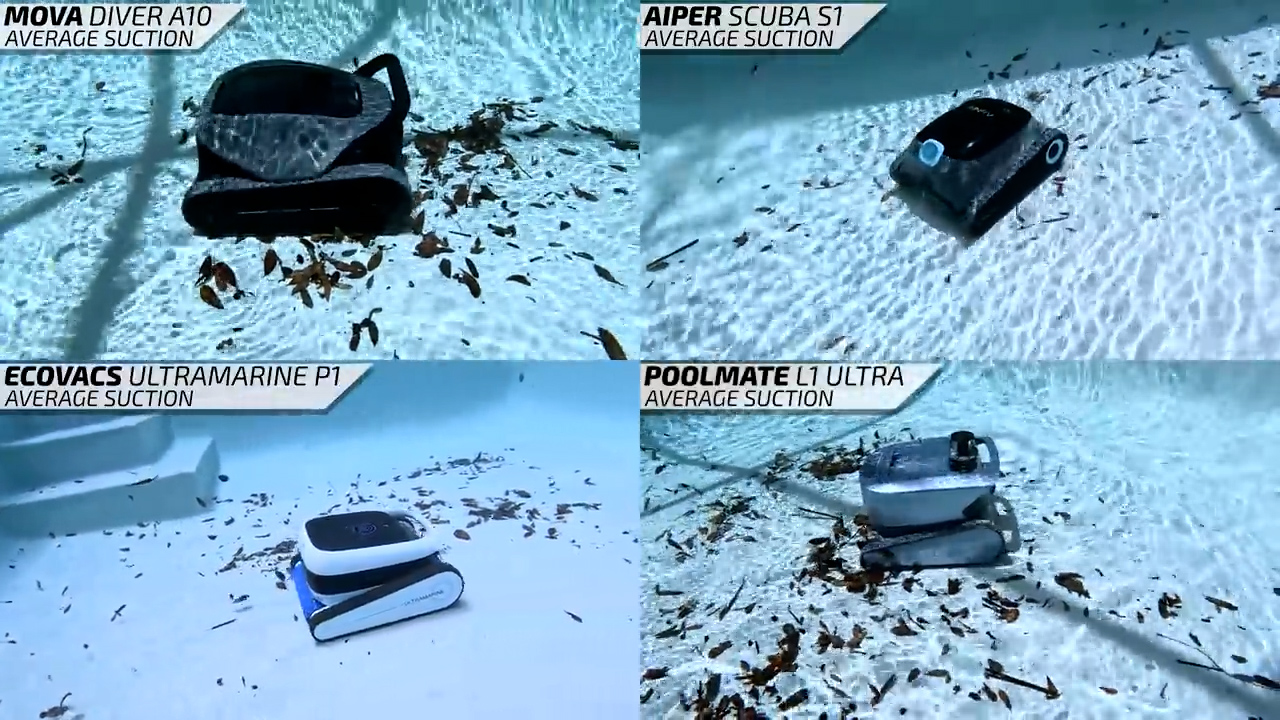
The Mammotion Spino S1 had average suction, but kept turning its suction motor on and off, which hurt its performance. The iGarden K70’s suction without the secondary filter was very good and on the same level as the Beatbot and Aiper Scuba V3, but suction with the secondary filter installed was well below average, and while it did pull debris behind it, most of that debris just got shot into the water column from the rear exit exhaust.
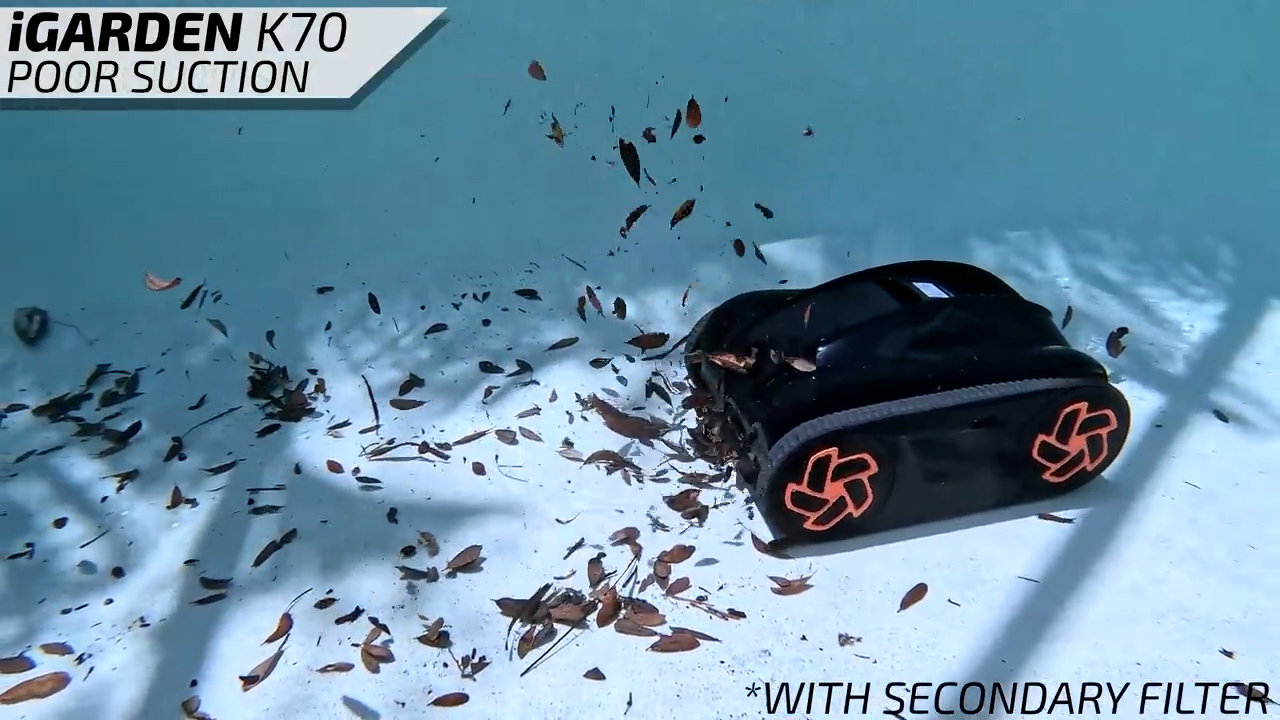
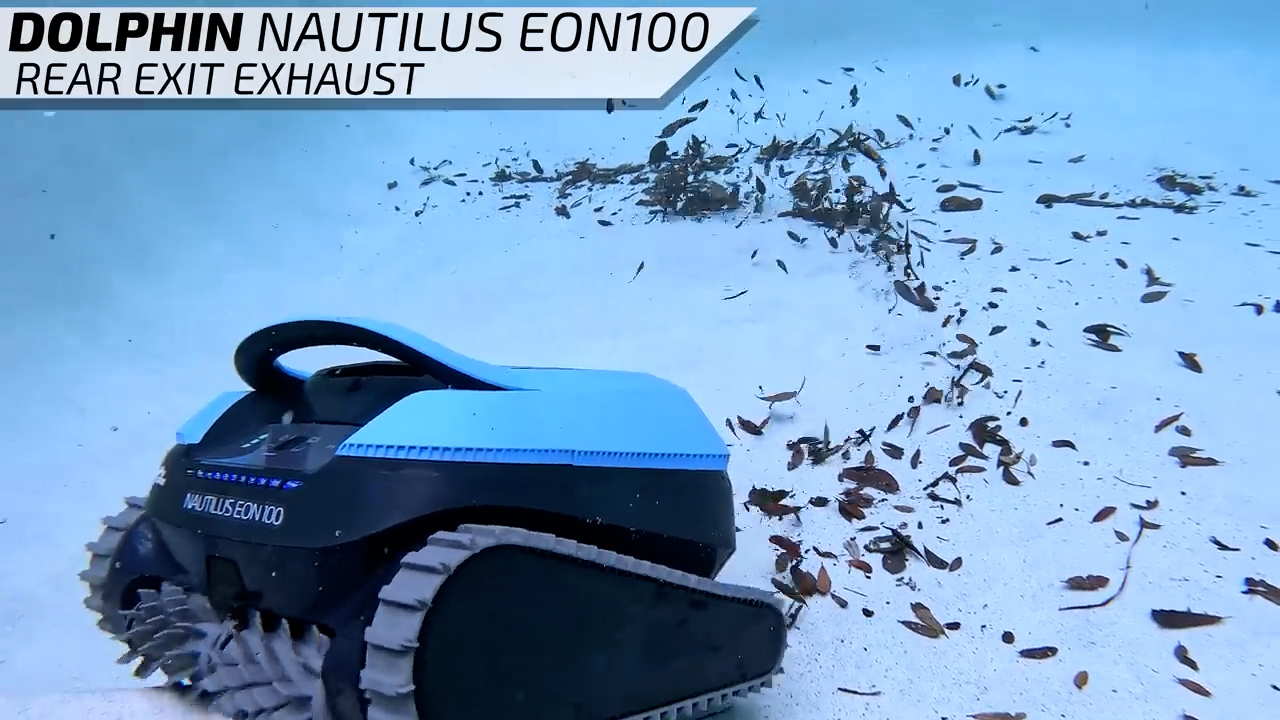
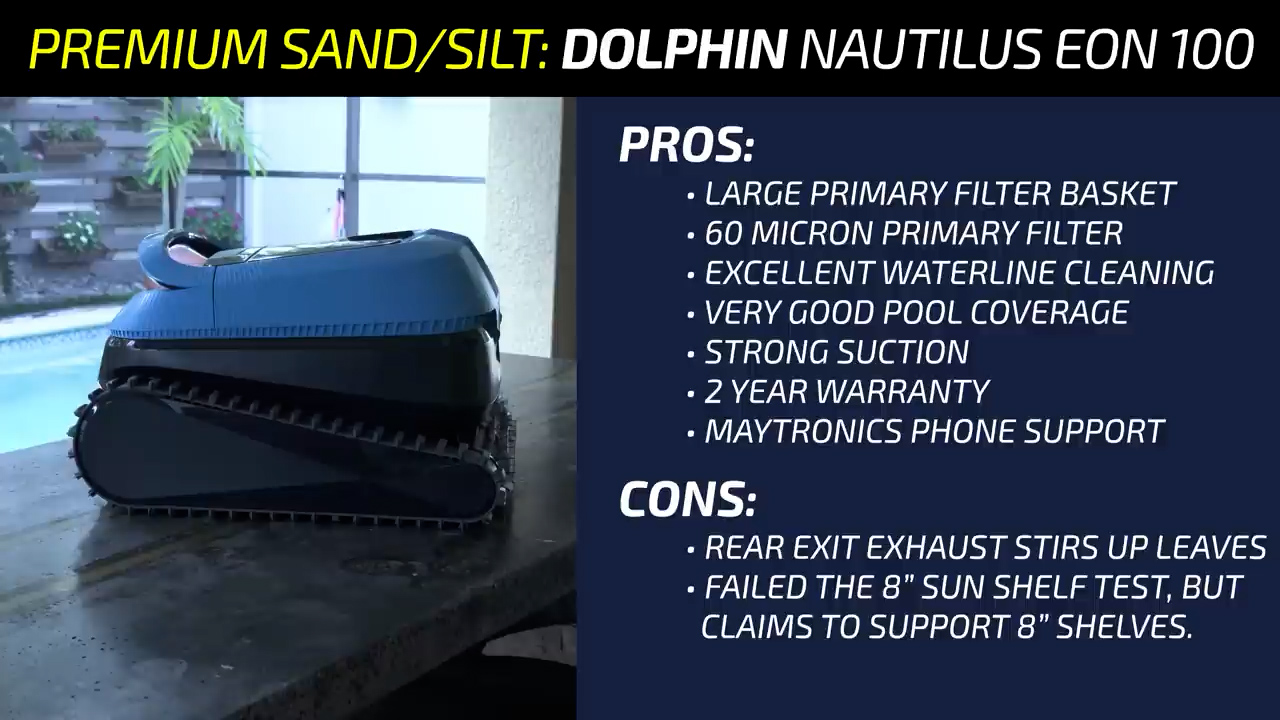
That brings me to the second feature that is important for leaf pickup, which is being careful to avoid disturbing the leaves and sending them back into the water column, and the main culprit for that is a rear exit exhaust. In this video, the Dolphin Nautilus 100 that did a great job picking up leaves, was the worst offender. Any time the Dolphin got near a wall, its rear suction exhaust stirred up surrounding debris which means it didn’t get cleaned.
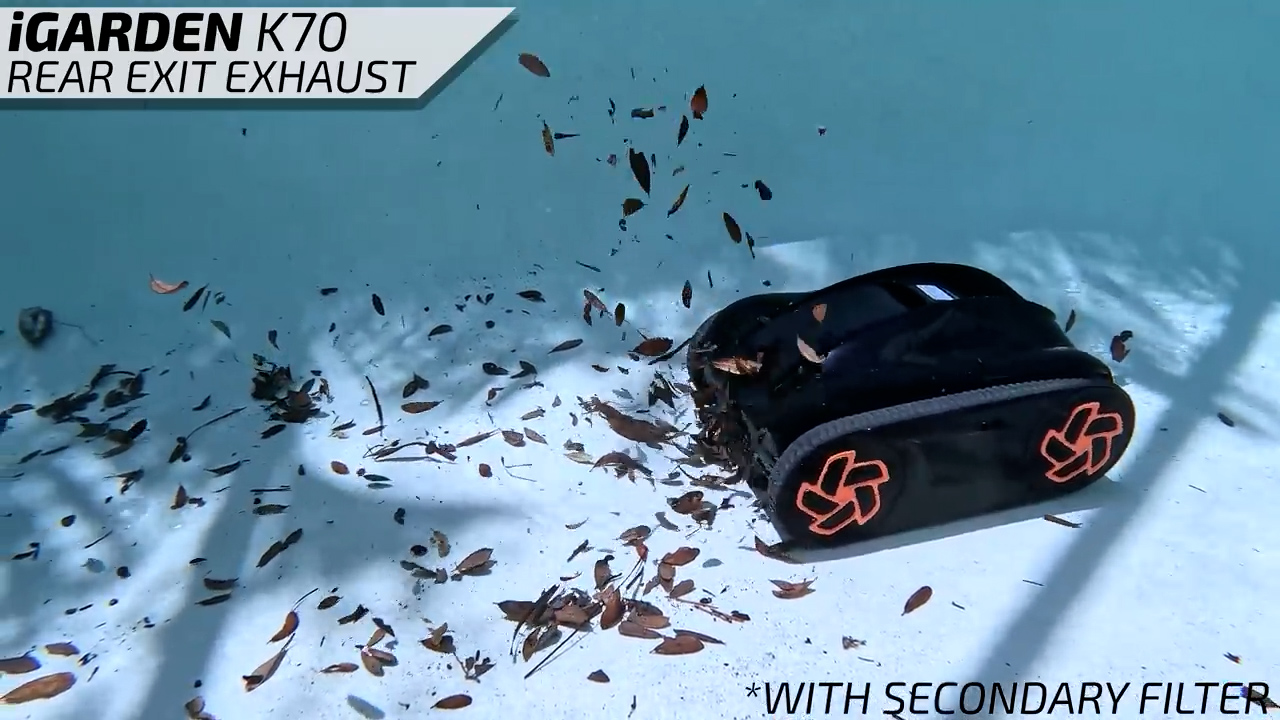
We already talked about the iGarden’s issue where it pulls leaves in from behind only to blast them into the water column, but with the secondary filter installed it also somehow manages to get leaves stuck around the exhaust port, which indicates to me that there are some turbulent flow issues.
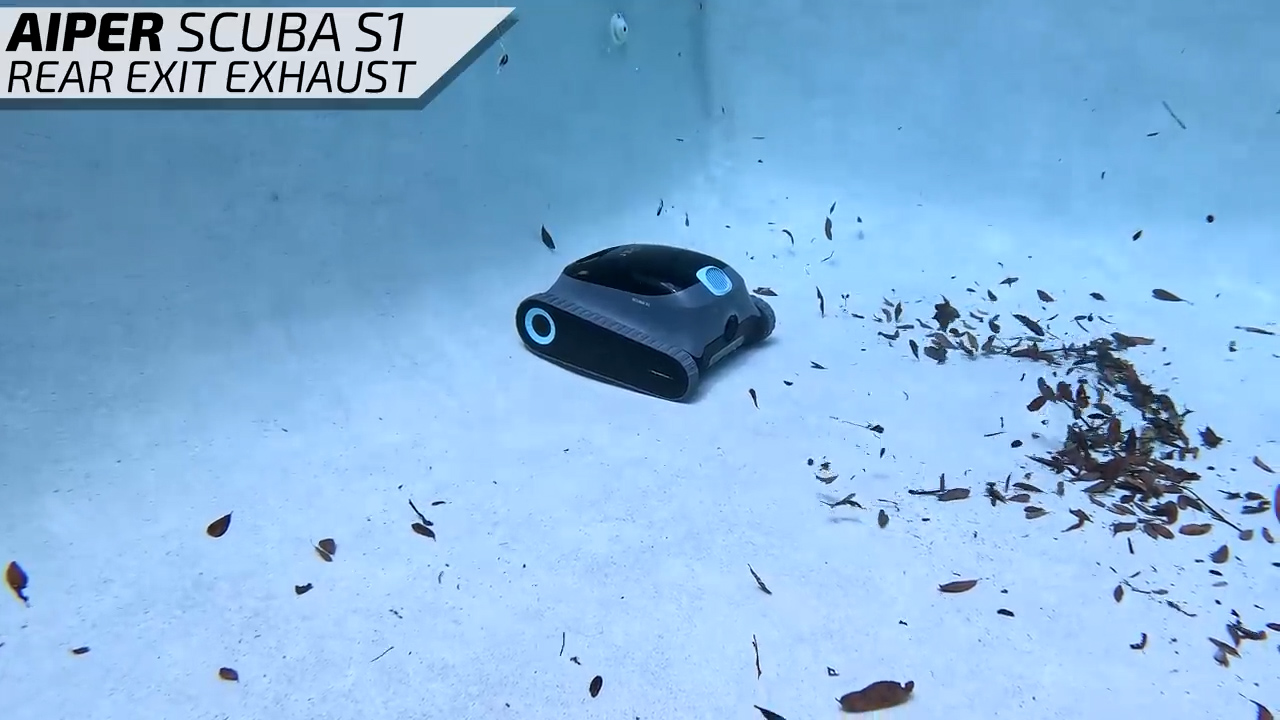
The Aiper Scuba S1 has historically struggled with stirring up leaves, but a firmware update sometime after last year’s test seems to have programmed it to turn off the suction motor when it gets tilted, resulting in less stirred up leaves.
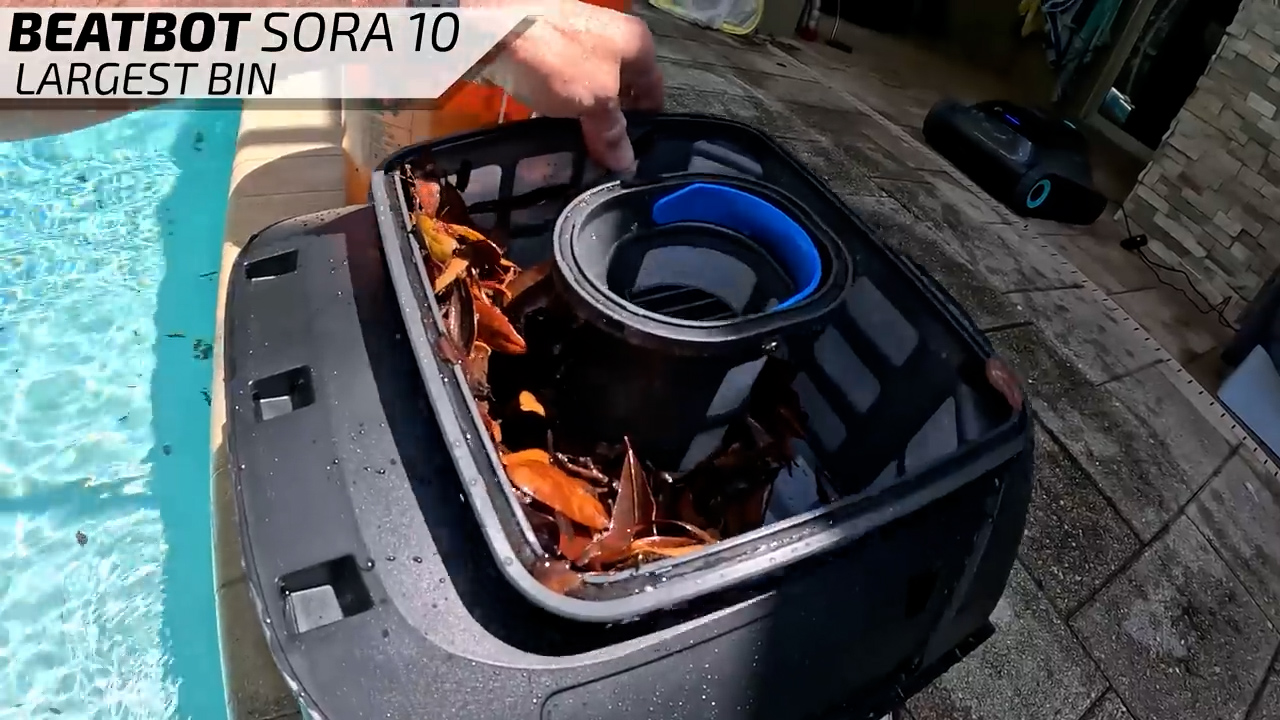
The last thing that makes one robot better than another for leaf pickup is the sheer size of the debris bin. For this, the Beatbot Sora 10 has nearly double the bin size of every other robot except the Dolphin making it a very strong pick for pools with leaf litter issues.
Sand and Silt Pickup
If your pool is covered by a screen like many here in Florida, or you just don’t have a lot of trees with leaves like in Arizona or Nevada, you probably struggle more with fine particles like silt, or the absolute bane of my pool here in Florida which is oak tree pollen. For a pool vacuum to do well in those conditions, it not only needs enough suction, but it also needs the correct type of filter.
Regarding suction, all the cleaners performed relatively similarly, leaving clean to mostly clean tracks through the fine sand and silt that I put onto the pool floor, except the iGarden with the secondary filter installed that passed directly over the sand without picking it up. Knowing that there is a turbo suction setting, I was concerned that I maybe picked the wrong suction level, so I tried the other suction setting, which turned out to be slightly worse.
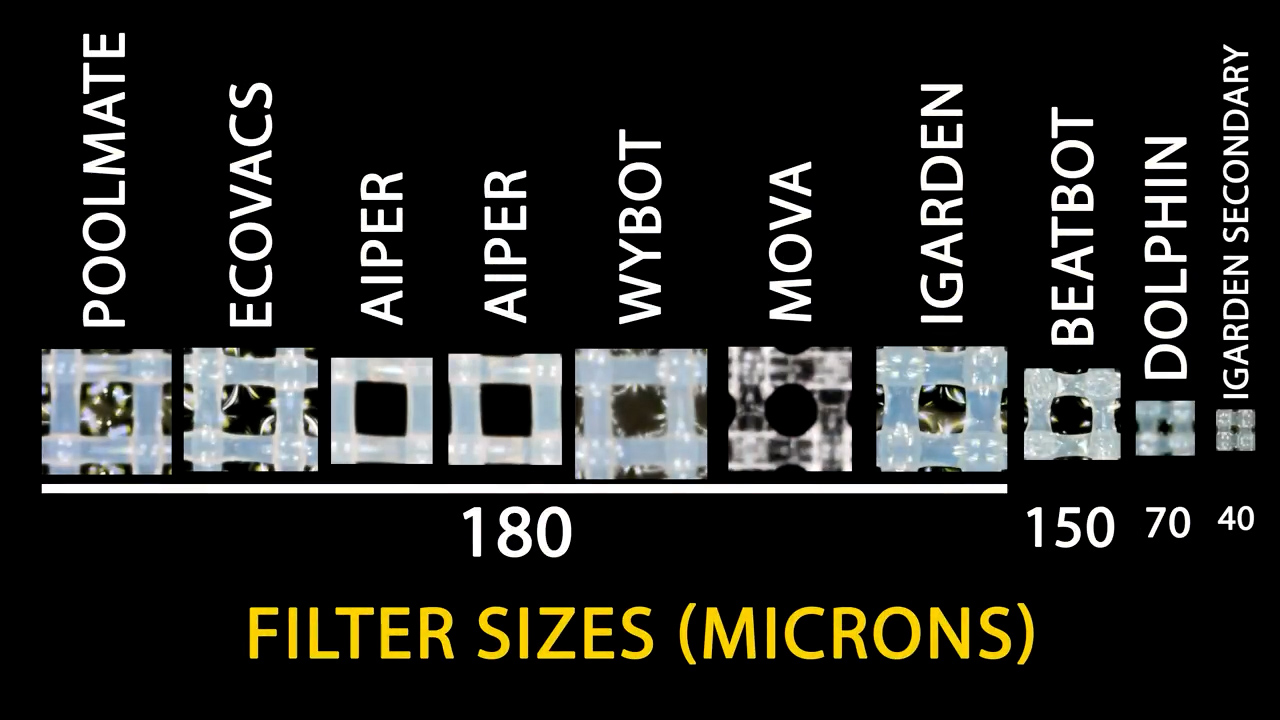
The second thing that is very important for pollen, algae, and fine sand and silt is having a filter that is sufficiently fine to capture those particles. So, I started out by using a microscope to compare the actual size of the holes on each of the robot’s filter mesh. You can see that almost all of them are using 180 micron main filters, but the Mova looks like it could have slightly better filtration due to the circular shape of the holes and the main filter on the iGarden looks like it is very slightly less than 180 microns, while the Beatbot is using a smaller 150 micron filter size. By comparison, the Dolphin’s filter holes are absolutely tiny, but I’m not sure if they are 60 or 70 microns because the official Dolphin product page actually says both.

Another way that robots can increase their ability to filter fine particles is by using a secondary filter. I’ve already mentioned the 40 micron secondary filter that is included on the most recent version of iGarden K70, but the most common type of secondary filter is a filter floss inner basket that we can see on the Ecovacs and both Aiper Robots, while the Wybot S3 has an extremely fine, almost paper like secondary filter, and the Mova lists an optional 3 micron filter on its product page, but I couldn’t find anywhere to actually buy that filter.
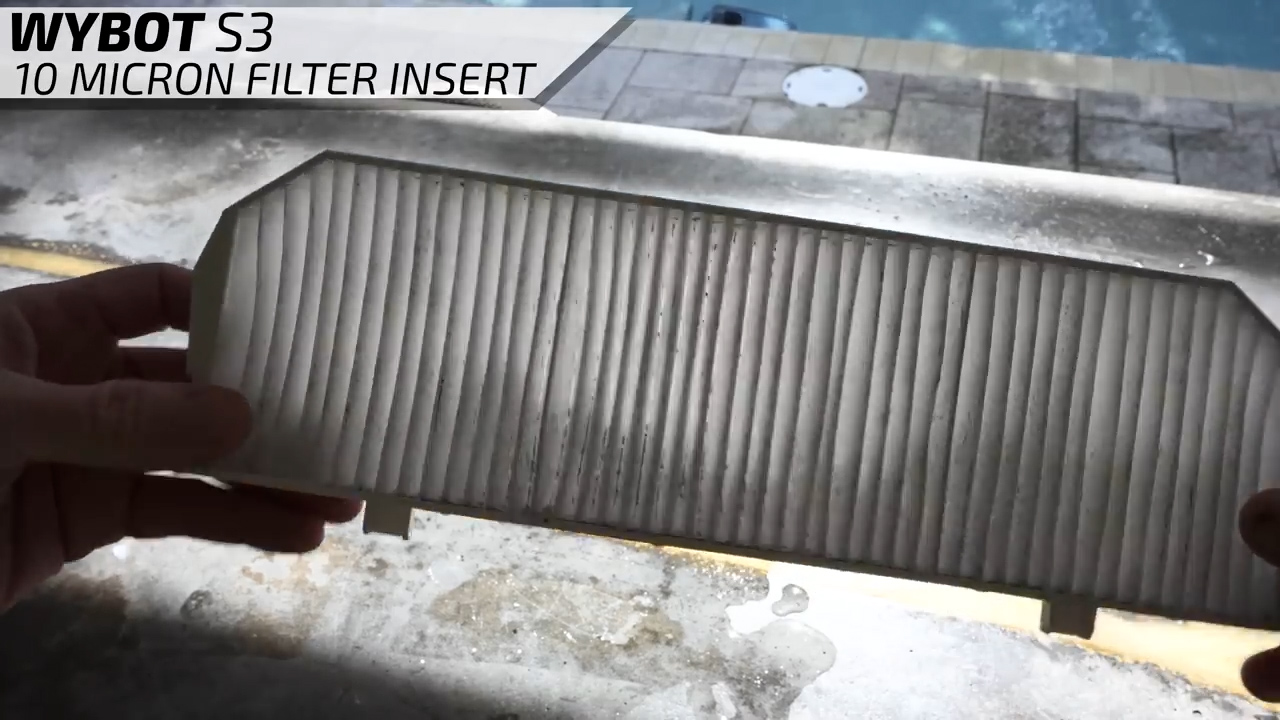
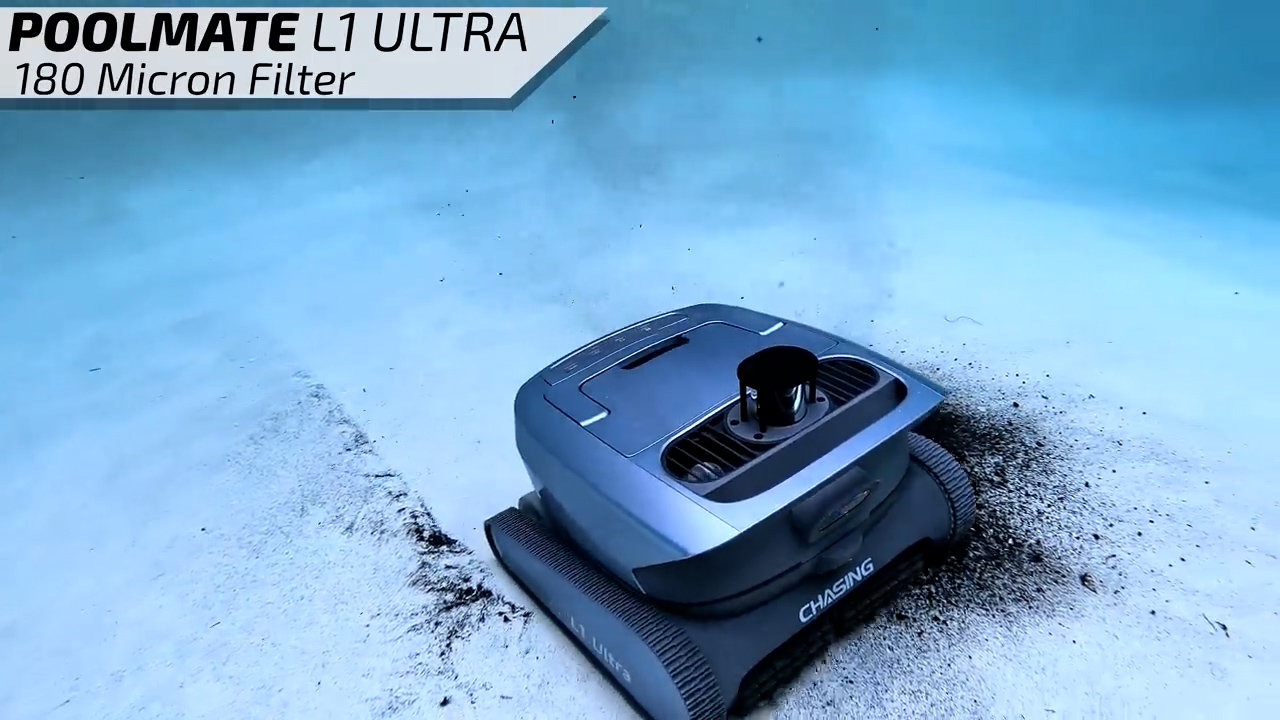
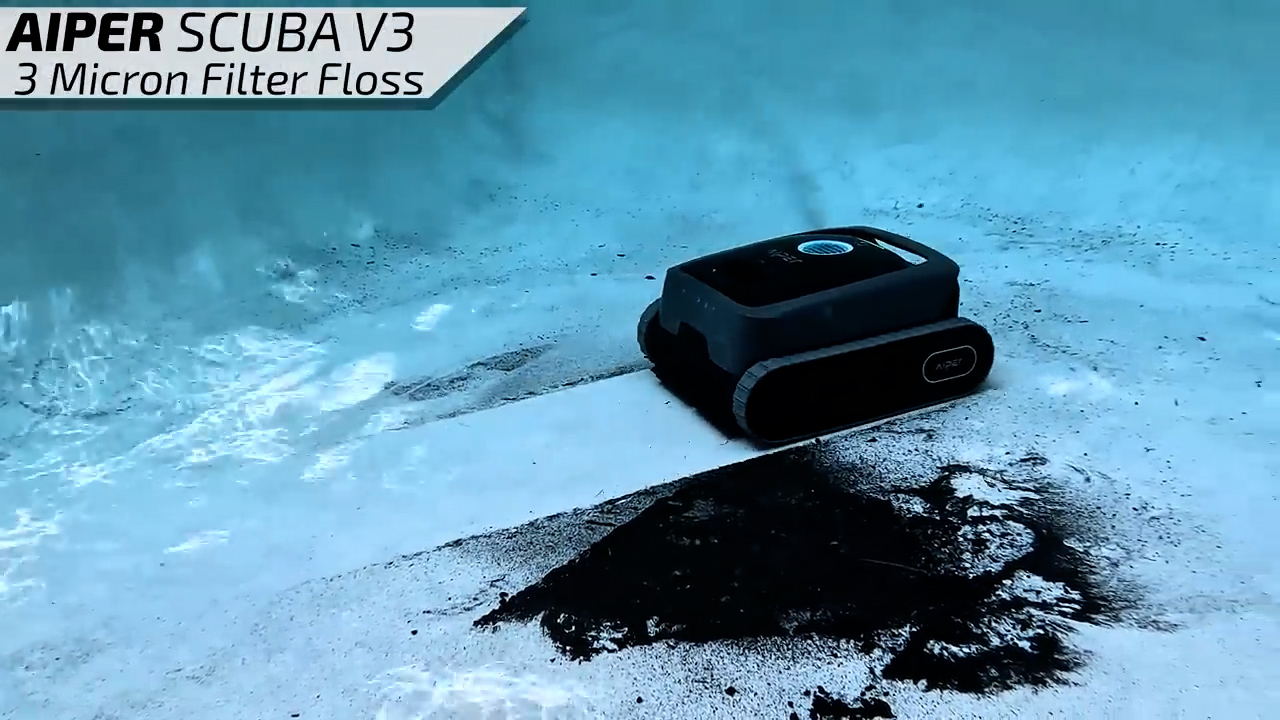
If you’re wondering what it looks like when a filter mesh is too big for the particles you’re trying to pick up, the cleaner just fires them straight into the water column, where they will eventually come to rest scattered throughout the entire pool. I found that despite having a secondary filter floss basket, both Aiper robots still kicked up sand into the water column, but the Aiper S1 performed much better than the V3. The iGarden secondary filter doesn’t serve much of a purpose since without it, it throws sand and silt into the water column, but with the secondary filter installed it just doesn’t pick anything up at all. The best silt performance came from the Wybot S3, Dolphin Nautilus EON 100, and Ecovacs Ultramarine P1 that all effectively picked up the sand and silt and captured it in their filter baskets.
Waterline Cleaning
In Florida, pollen not only sinks to the bottom of the pool, but it also gets stuck near the waterline, so the ability for a robot to not only reach but also scrub the waterline is a really important selection criterion. Depending on whether your pool has an auto drain and fill system you might want a different robot than someone who has a pool that can fluctuate water levels by 3-4 inches throughout a single month.
For this test, I collected and saved oak pollen from this year’s pollen drop to evaluate each robot’s ability to clean it off of my tiles. The best waterline cleaners for me were the Ecovacs Ultramarine P1 that reached all the way up to the coping of my pool and did a good job scrubbing the pollen off, and the Dolphin Nautilus EON 100 that also reached up to approximately 3 inches but didn’t scrub as vigorously.
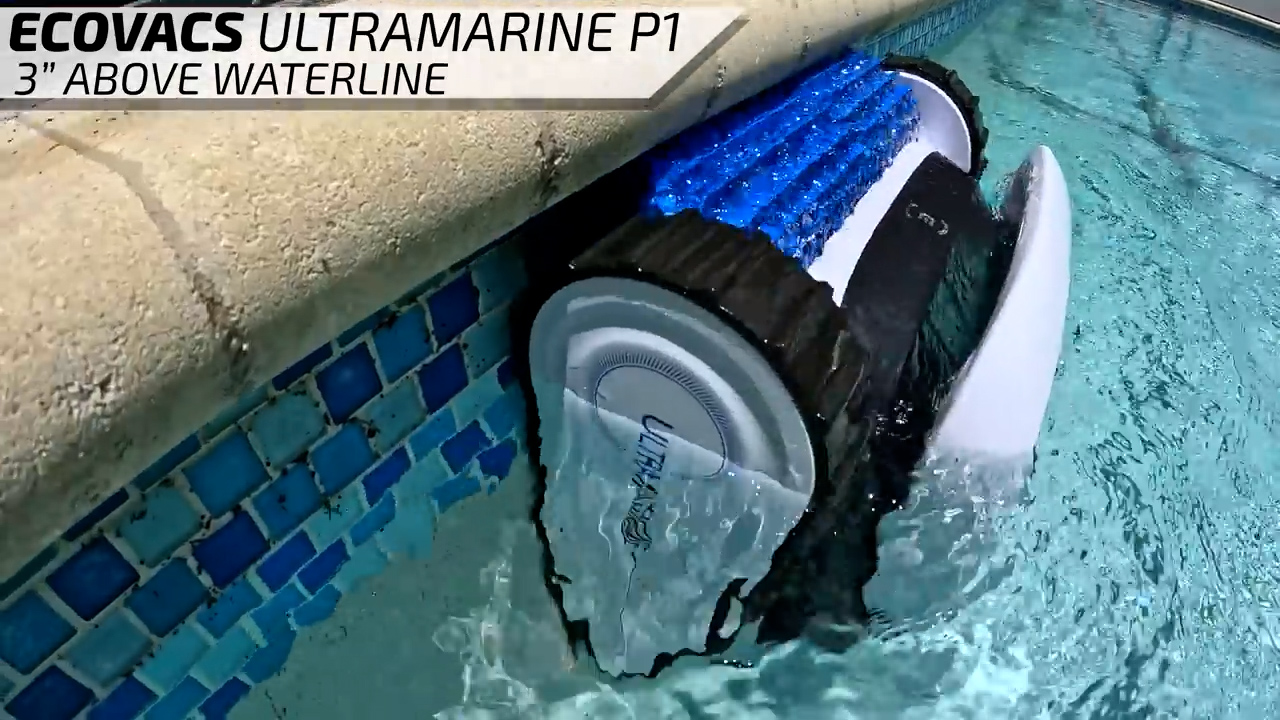
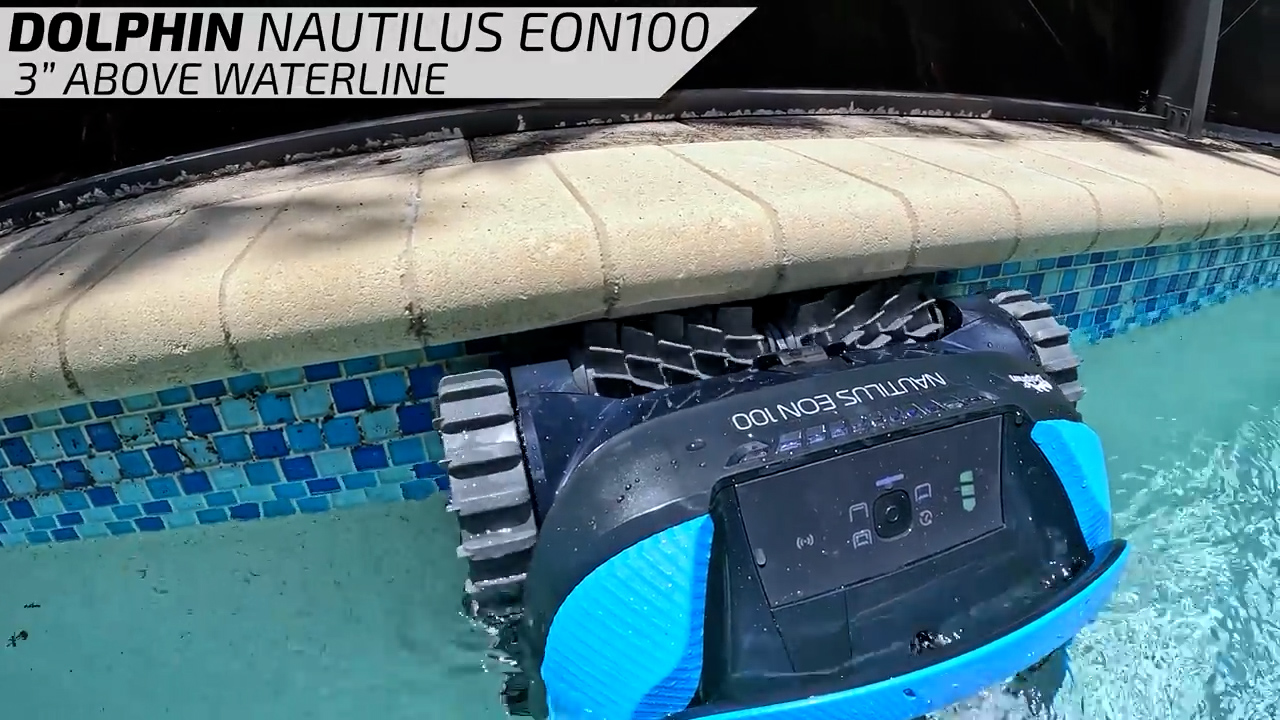
The Mova Diver A10 did a good job of reaching high up onto the wall, but a poor job of actually cleaning the wall. The Mammotion Spino and iGarden K70 without the secondary filter were slightly above average reaching about 2” above the waterline, but as I mentioned earlier, with the secondary filter installed the iGarden K70 is only able to climb about 1/3 of the way up the wall.
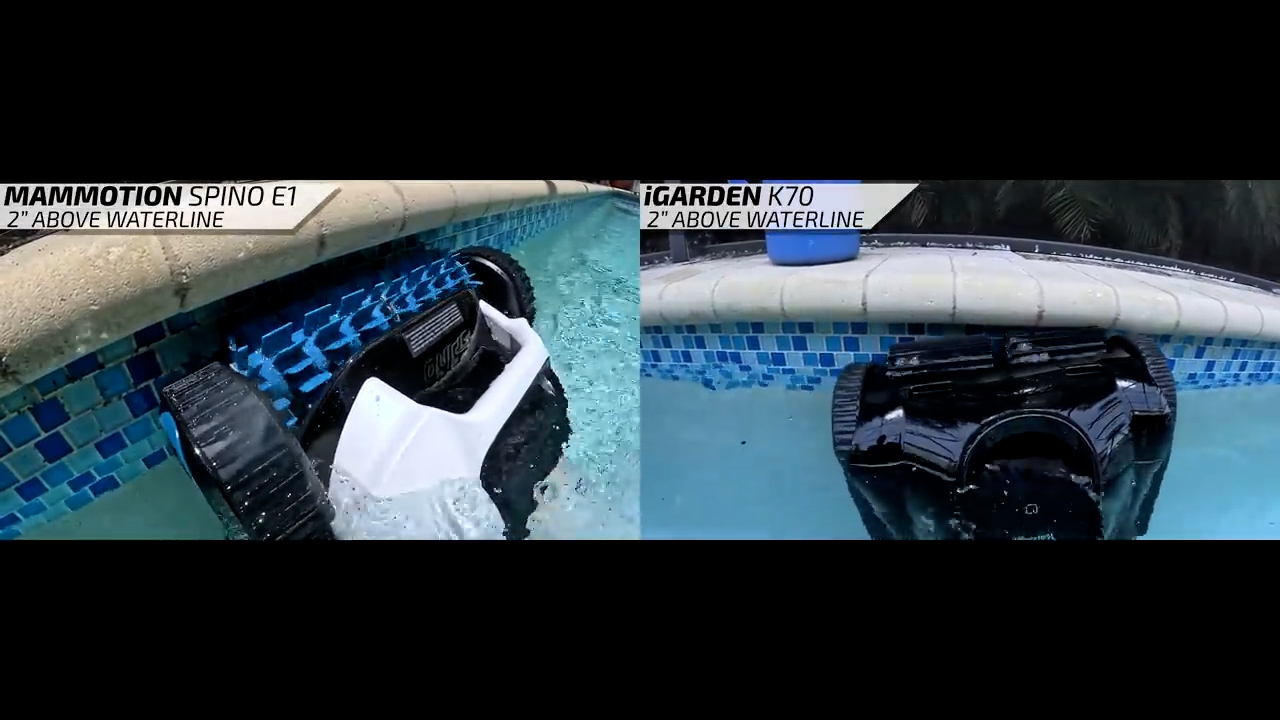
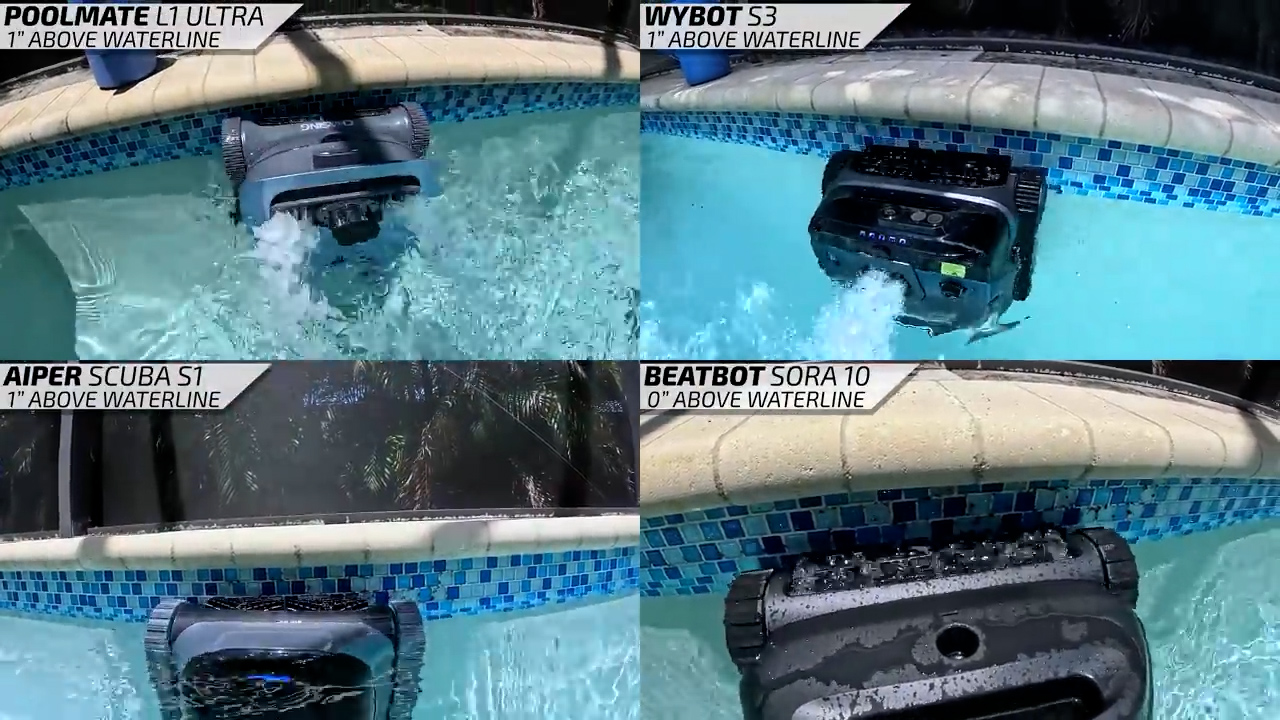
The rest of the robots mostly just cleaned right at, or slightly above the waterline. If you have a pool with a consistent water level, the Aiper Scuba V3 may be a good option since it has a waterline cleaning mode that travels horizontally with excellent coverage and good scrubbing action, but for my pool it wouldn’t reach high enough to deal with waterline fluctuations.

Shallow Area Cleaning
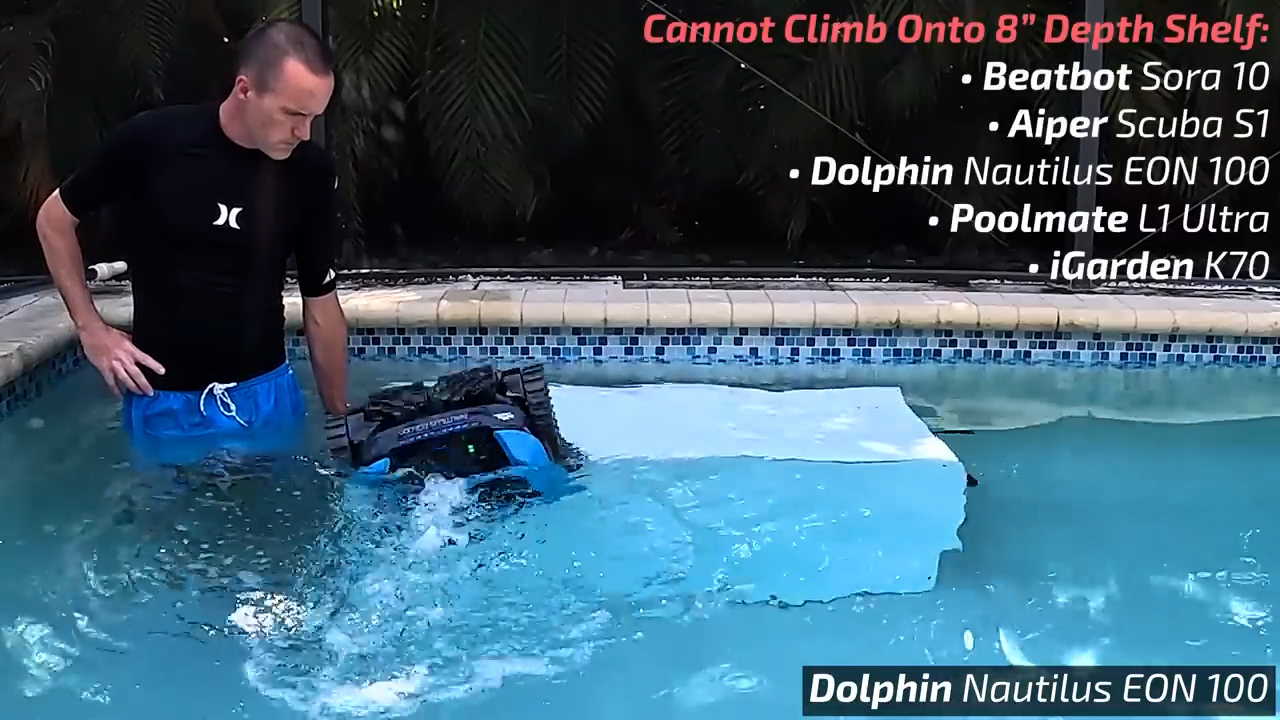
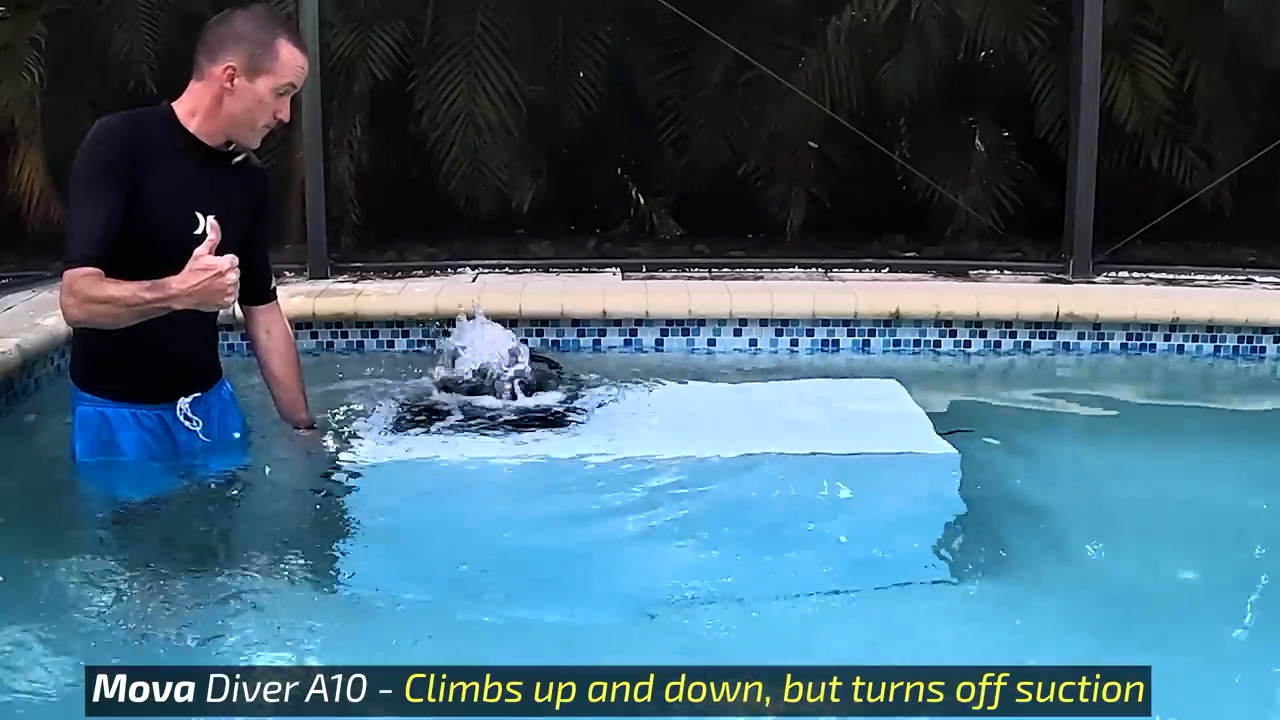
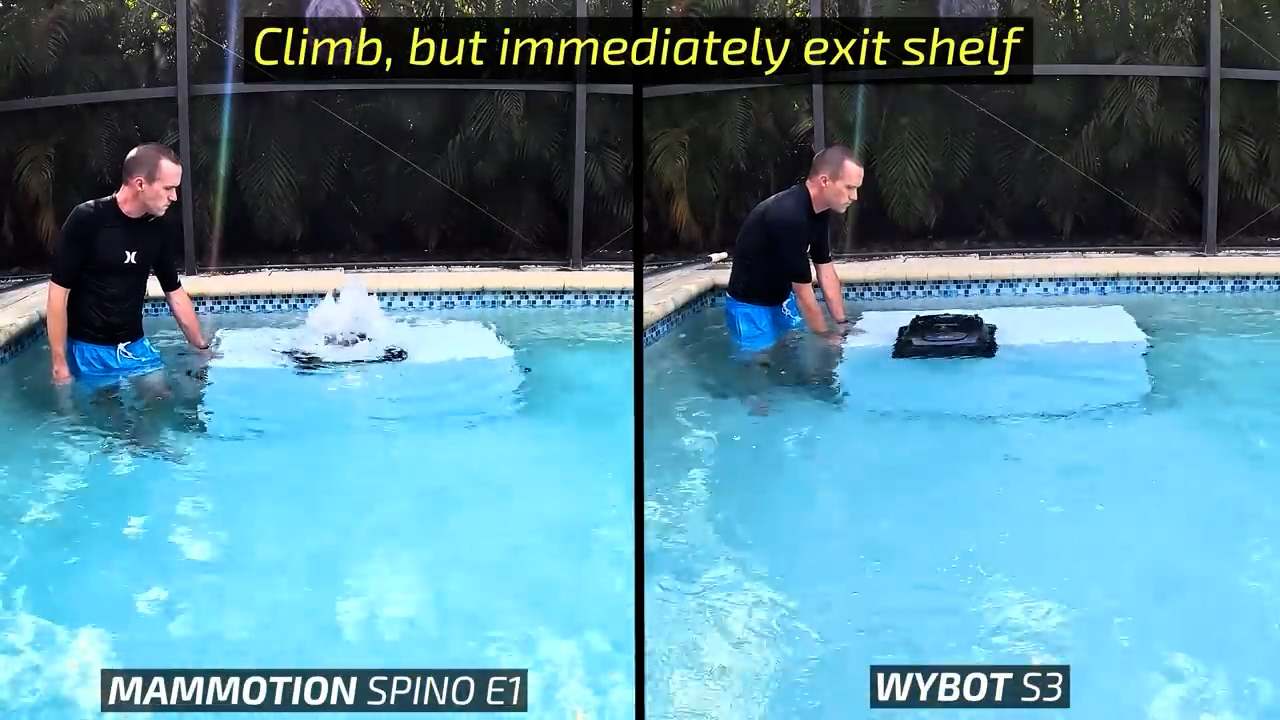
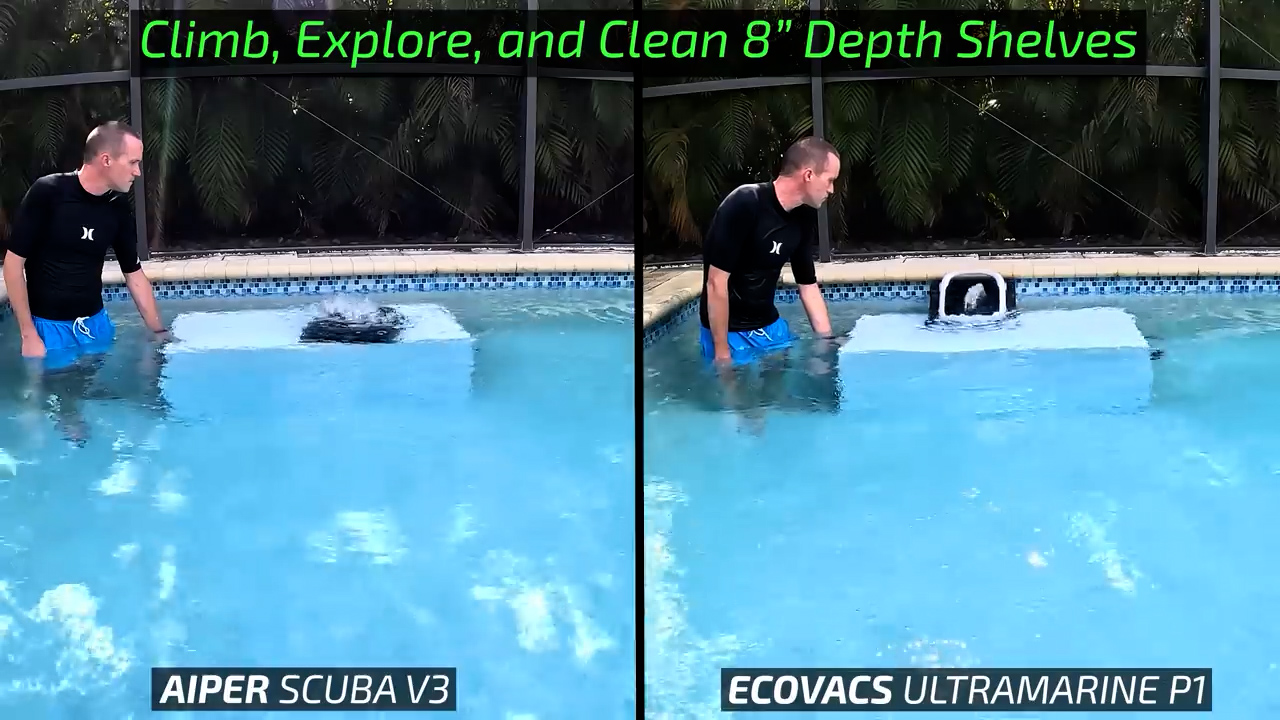
One last individual decision you’ll need to make about your pool is whether you want your pool vacuum to clean on top of your shallow tanning ledges or sun shelf. I don’t have a shallow area like that in my pool so I built an 8” deep area out of starboard and out of the 10 robots in this video, five wouldn’t climb onto the shallow shelf at all, the Mova Diver A10 climbs up, but turns its suction motor off while on the 8” deep shelf, the Mammotion Spino E1 and Wybot S3 climb up, but immediately go back down without cleaning or exploring the shelf, and only the Aiper Scuba V3 and Ecovacs Ultramarine P1 attempted to clean on top of the 8” deep shelf, though I do have some concerns that the Ecovacs would climb out of your pool if given the opportunity to do so.
Next, I want to talk about some of the differences in day-to-day use of these robots.
Robot Weight
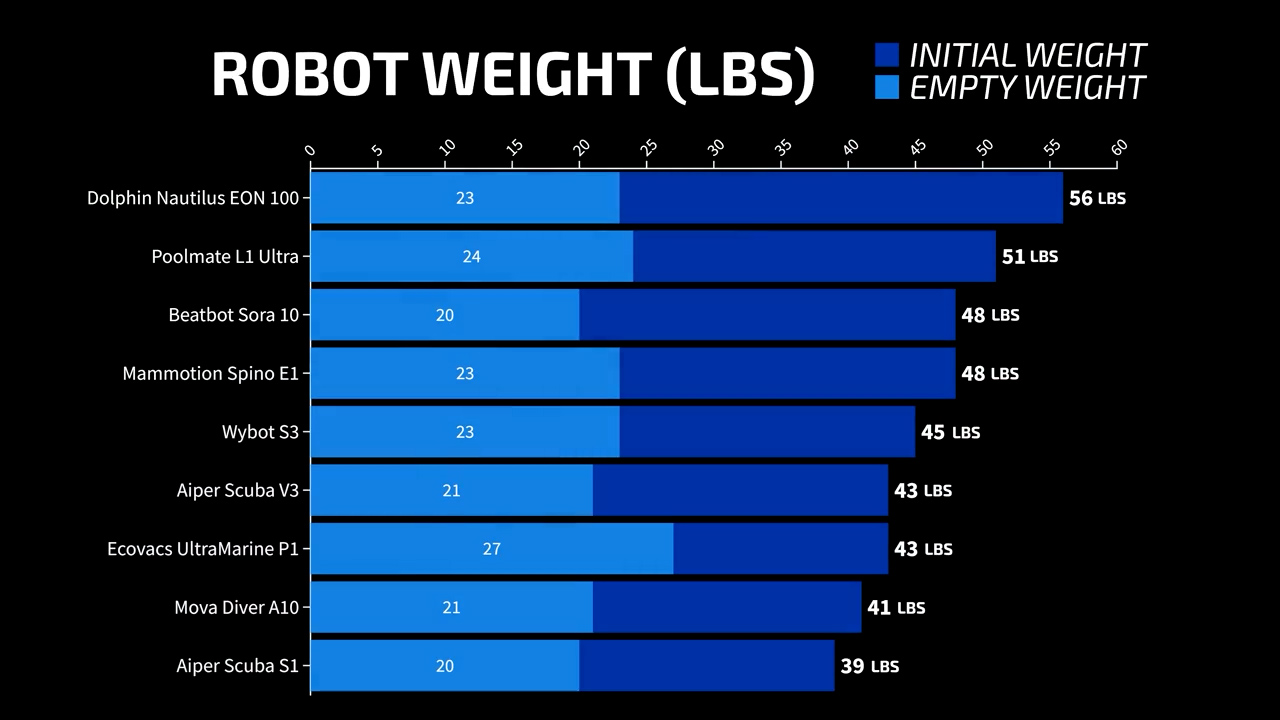
Let’s start with the weight to pull them out of the water. Thankfully none of the robots were as massive as the 72-pound Aiper X1 Pro Max from last year. Most of them were around 50 pounds when you first pull them from the water, draining down to less than 25 pounds, but the heaviest was the Dolphin Nautilus EON 100 that had a max weight of 56 pounds and an empty weight of 23 pounds, while the lightest was the Aiper Scuba S1 at 39 pounds max and 20 pounds near empty. I couldn’t get the exact weight of the iGarden because pulling it out with the strap around the roller caused the debris bin to fall out every time, but that doesn’t happen when pulling it out of the pool using its handle. While I did test the weight of the Wybot S3, it’s never really supposed to come out of the pool and charging and emptying are all handled by the in-water dock.
Bin Cleaning and Design
Speaking of which, another area where some robots are more convenient than others is the process of cleaning their bins. Open top bins and bins that open at the top and bottom are by far the easiest to clean.
In this batch I found the Beatbot Sora’s large open top bin to be by far the easiest, followed by the Poolmate L1 Ultra that opens on both sides. The Ecovacs also has an open top design but does take extra time to clean the filter floss insert, and the Dolphin has a closed top, but was still relatively easy to rinse.
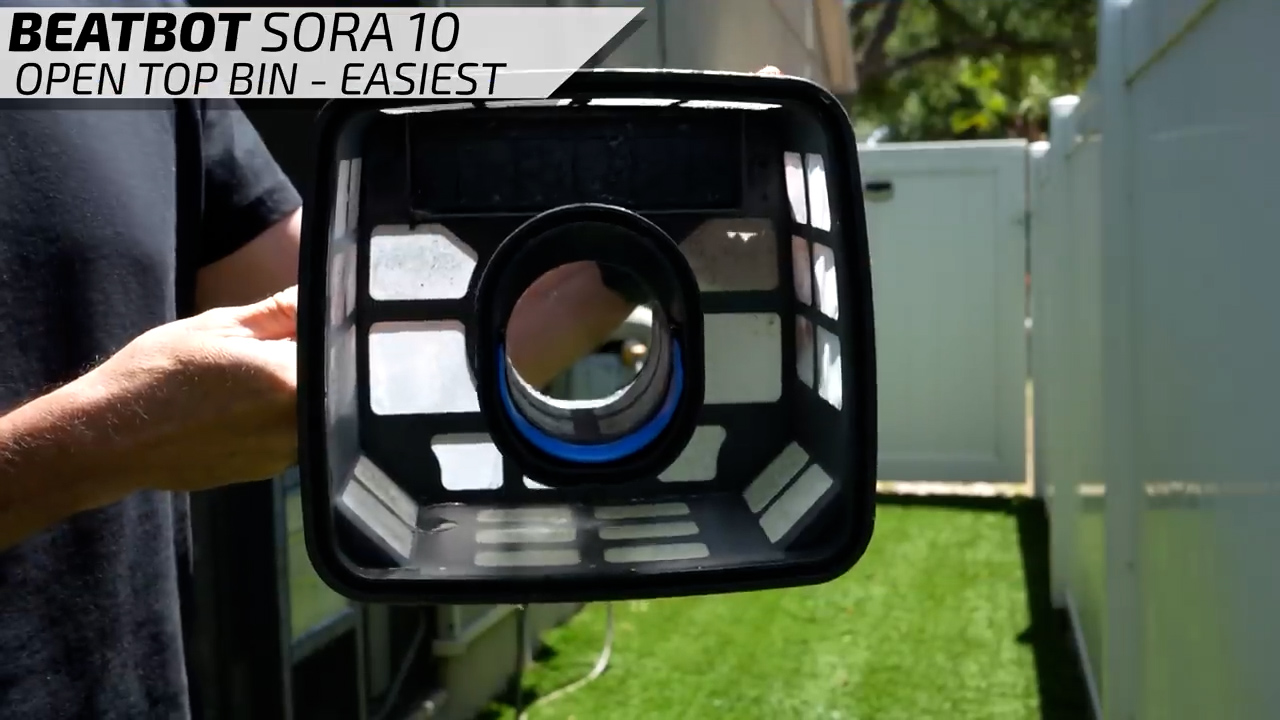
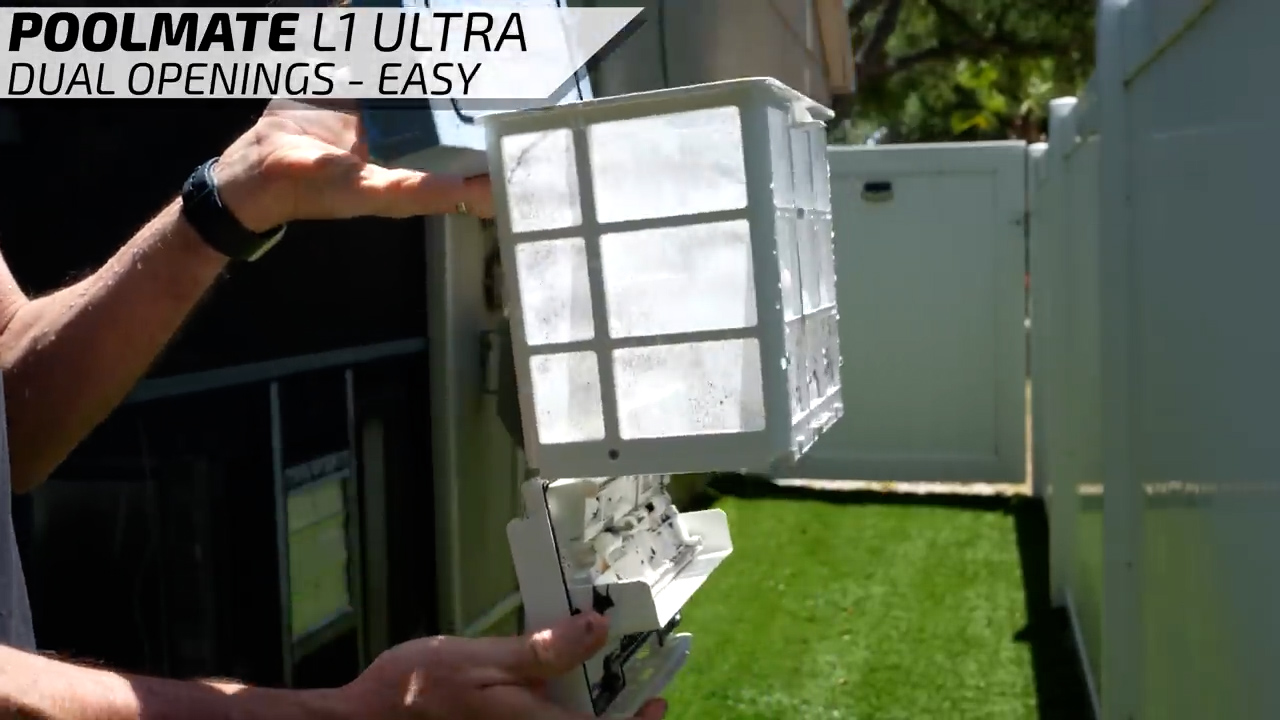
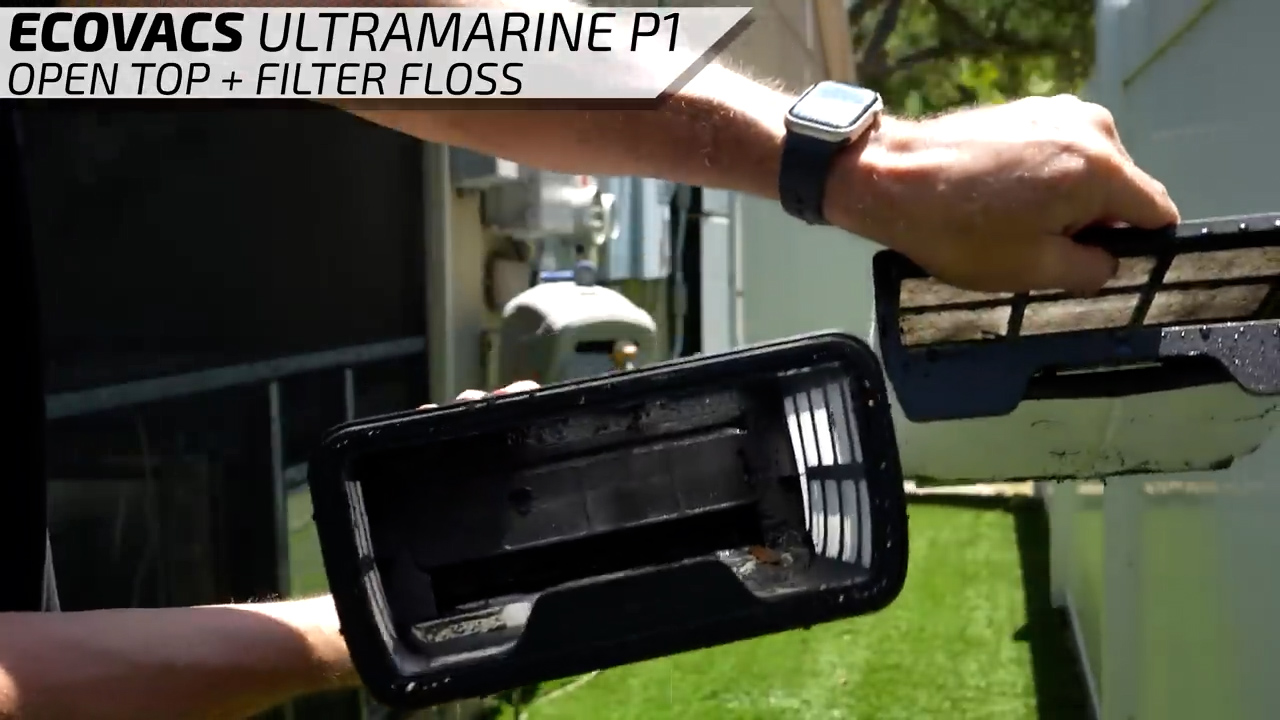
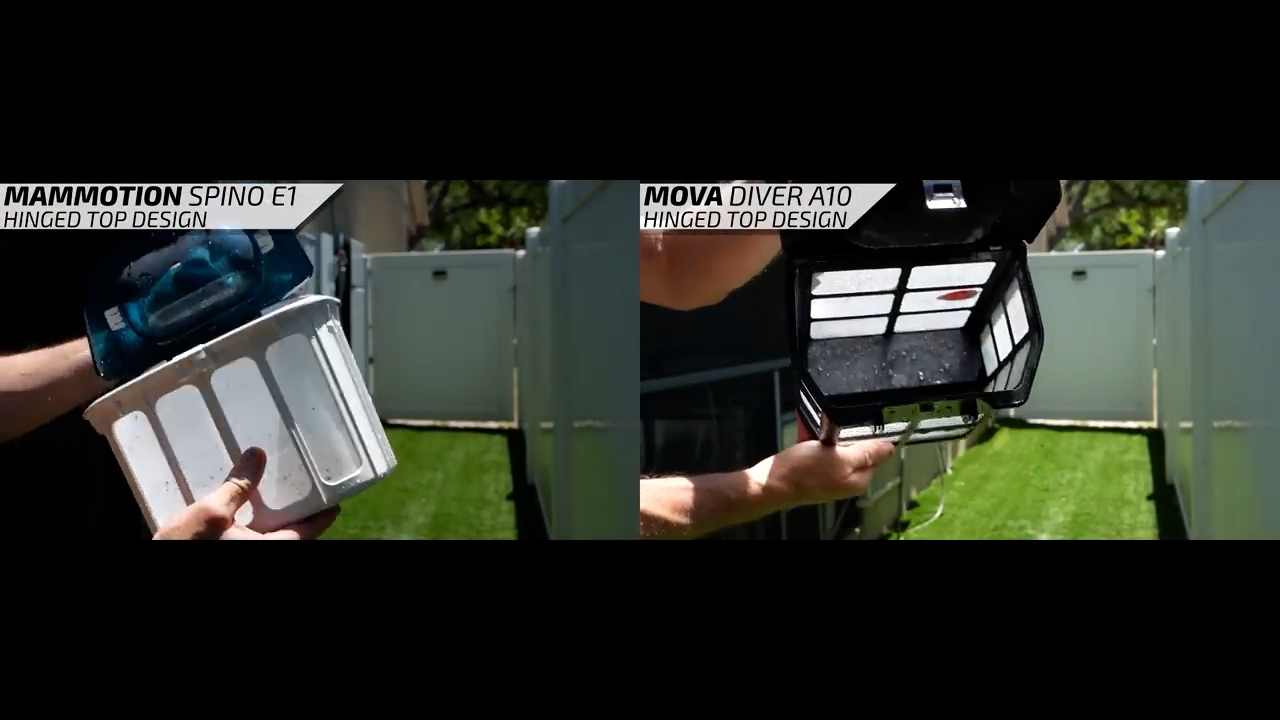
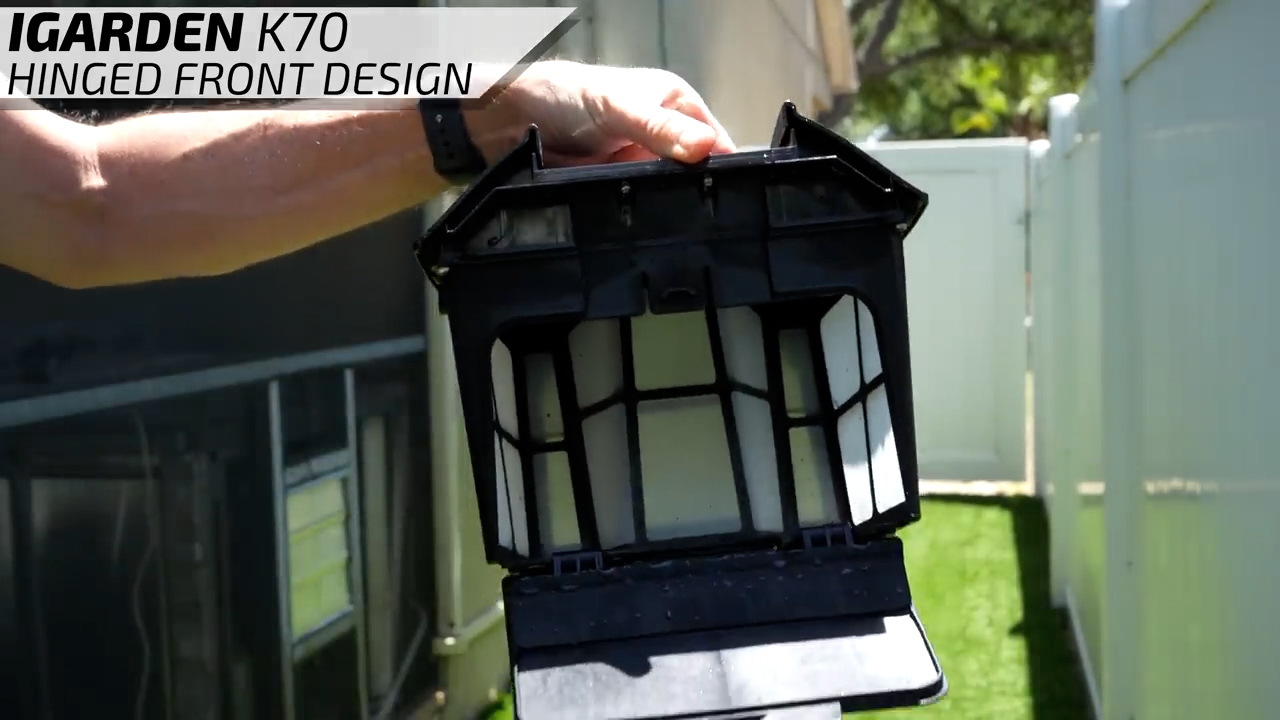
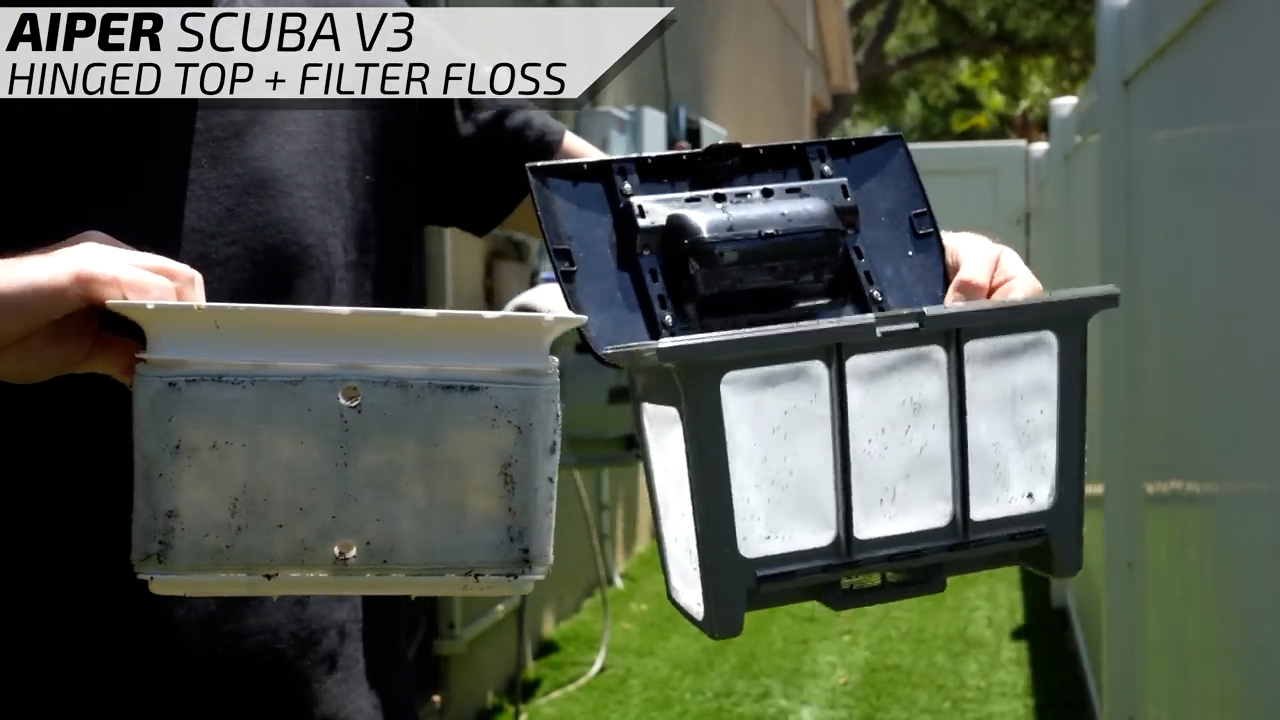
I found the Mammotion Spino and Mova Diver A10 to be mostly average with their hinged top designs, and the iGarden was similar, opening only from the front and I gave the lowest scores to the Aiper Scuba S1 and V3 that both have hinged tops and separate filter floss baskets and take the most time to clean.
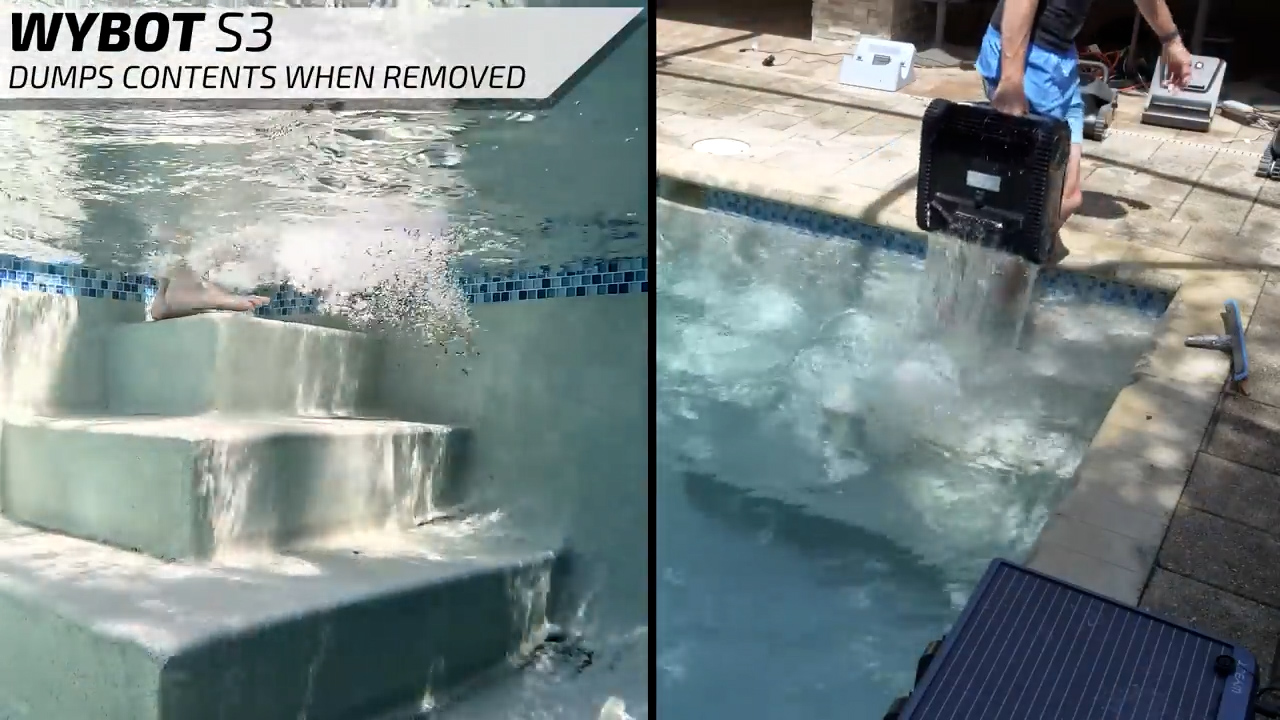
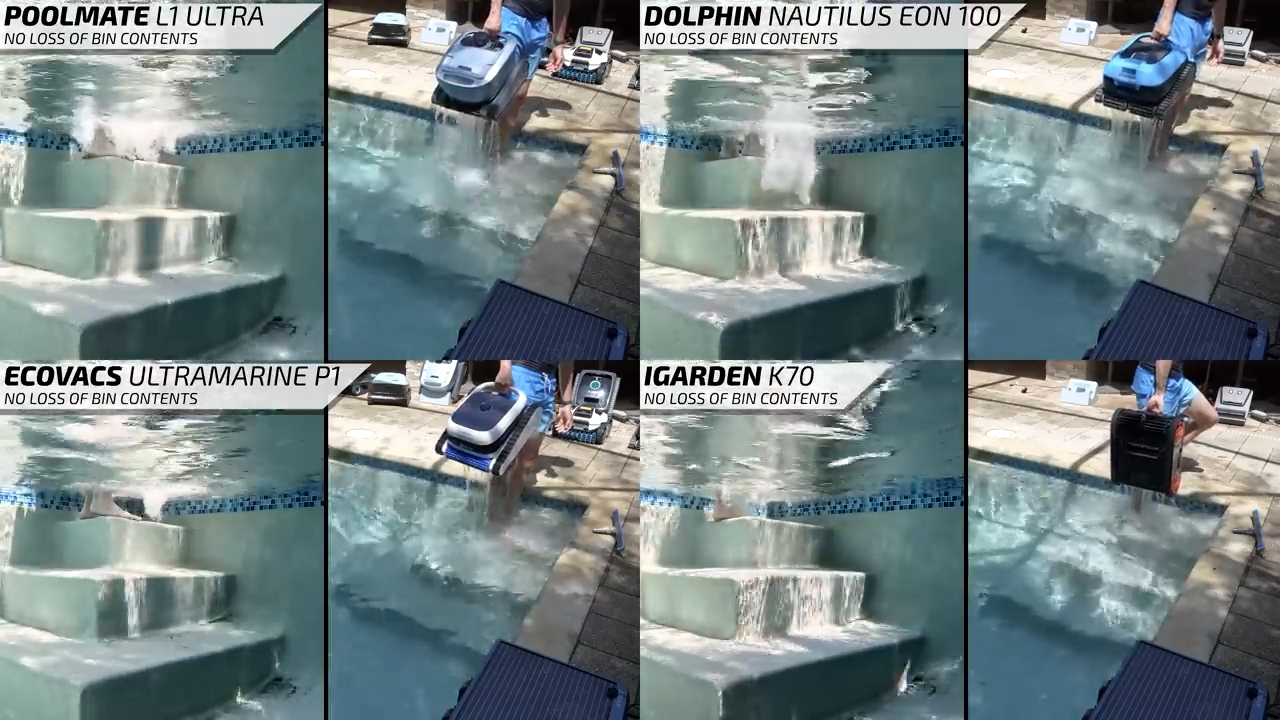
Another important aspect of filter basket design is the ability to hold in debris when pulling the robots out of the pool, so I filled each bin with leaves and pollen and filmed underwater to see which ones leaked. Just to get an idea what we’re looking for, you can see that the Wybot S3, which again isn’t ever supposed to come out of the water, completely dumps its basket contents when you pull it.
In contrast, the Beatbot Sora 10, Mammotion Spino E1, Mova Diver A10, and both Aiper robots had just a few particles come out in the drained water. Aas far as I could tell, the Poolmate L1 Ultra, Dolphin Nautilus EON100, Ecovacs Ultramarine P1, and iGarden K70 had zero particles come out of the basket when drained.

Advanced Features
Last, looking at some of the advanced features of these robots, one of the coolest features that came out in this latest generation is a hunting mode that uses the camera on the front of the robot to actively find and pick up larger debris. The Aiper V3, Wybot S3, and Poolmate L1 all have hunting modes, so I put some leaves at the bottom of the pool and you can see the Aiper methodically scan and clean all of the leaves in just 8 minutes, while the Wybot S3 looks more like it was doing a routine cleaning, just ensuring that it picked up debris, and it took a total of 16 minutes. But unfortunately, the Poolmate L1 Ultra’s hunting mode completely failed, and it ended up just getting stuck in the deep end of the pool. I reached out the Poolmate about the L1’s poor mapping and navigation and they confirmed that it currently doesn’t support pools with sloped bottoms and they plan to fix that issue in a future firmware update but didn’t have a firm date on when that update would happen.

Then we need to talk about the Wybot S3, which has grand intentions of being completely wireless and hands off. The idea is that the large solar panel on the base will charge up not only the robot but also the base’s internal battery, so that when the Wybot self-docks it can always charge regardless of whether there is sunlight, and the auto empty system pumps the contents of the Wybot’s filter basket into a large bag inside the bin that needs to be emptied much less frequently. All of that sounds incredible, but in practice the S3 sporadically lost communication with the dock and app, the auto docking process occasionally failed. For me, I’m not sure if I would have any areas around my pool that would get enough sun to keep the battery charged even without the pool screen, so I had to plug the S3 dock into AC power instead of using the solar panel.

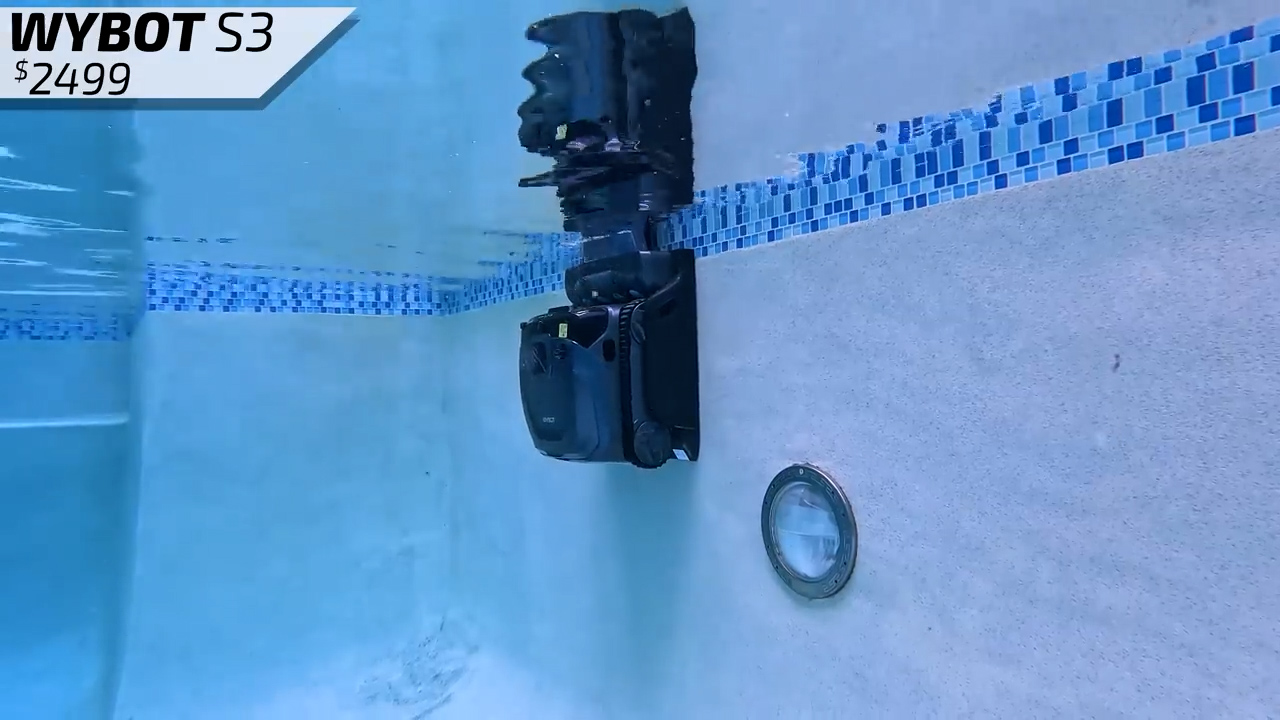
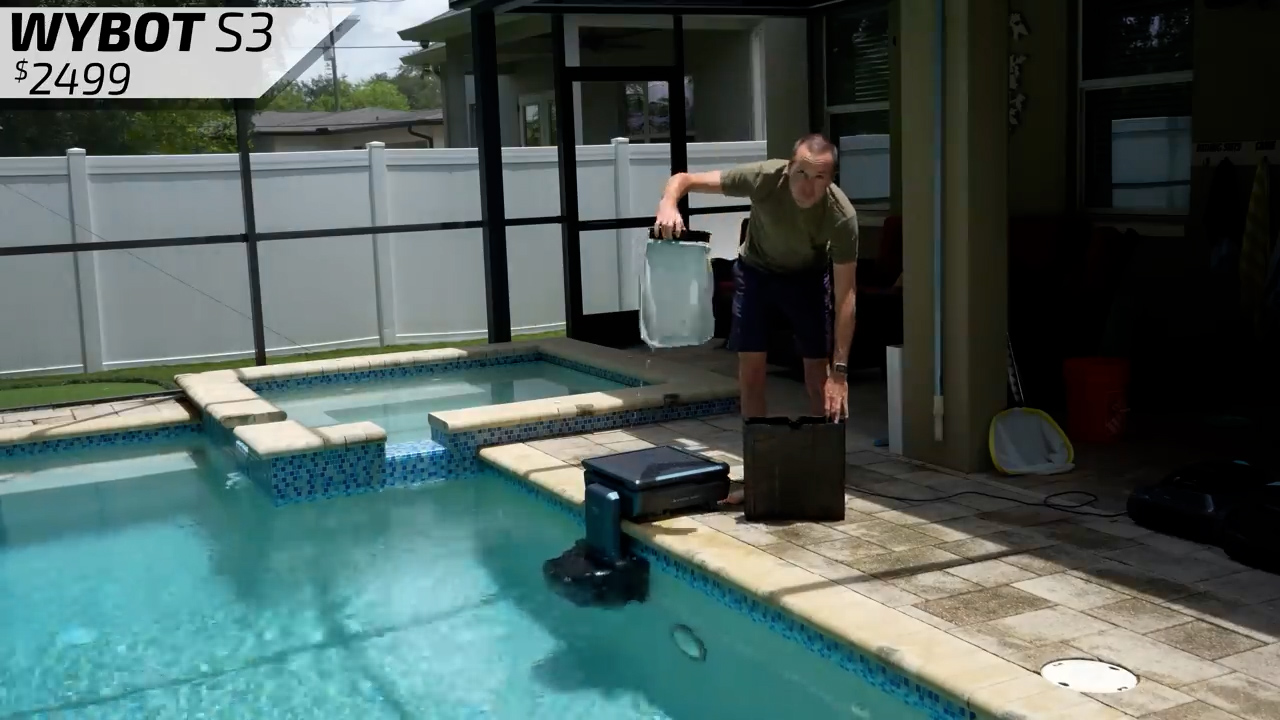
The moral of the story is that the S3 is a super innovative design that does work sometimes. But for $2500 I think most people will expect it to work all the time, and that wasn’t my experience so it’s not something I can put my stamp of approval on right now.
Conclusions and Recommendations
And now it’s time to talk about the robots I do recommend.
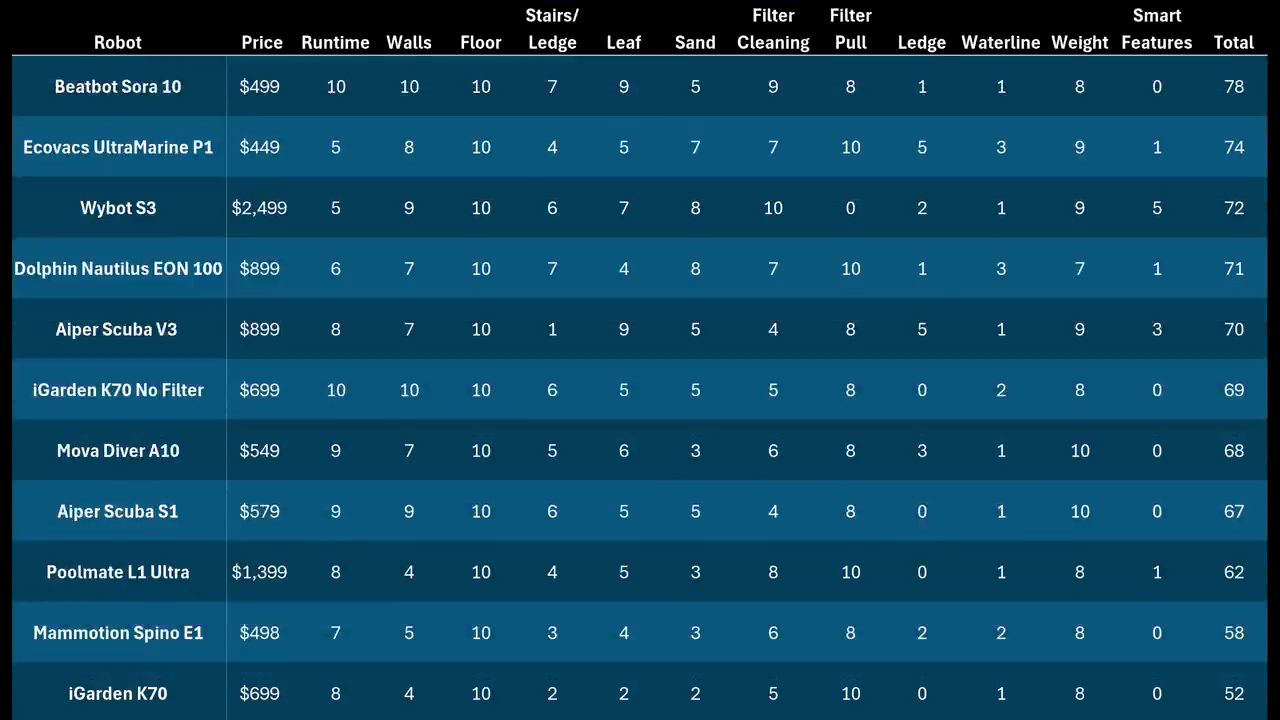
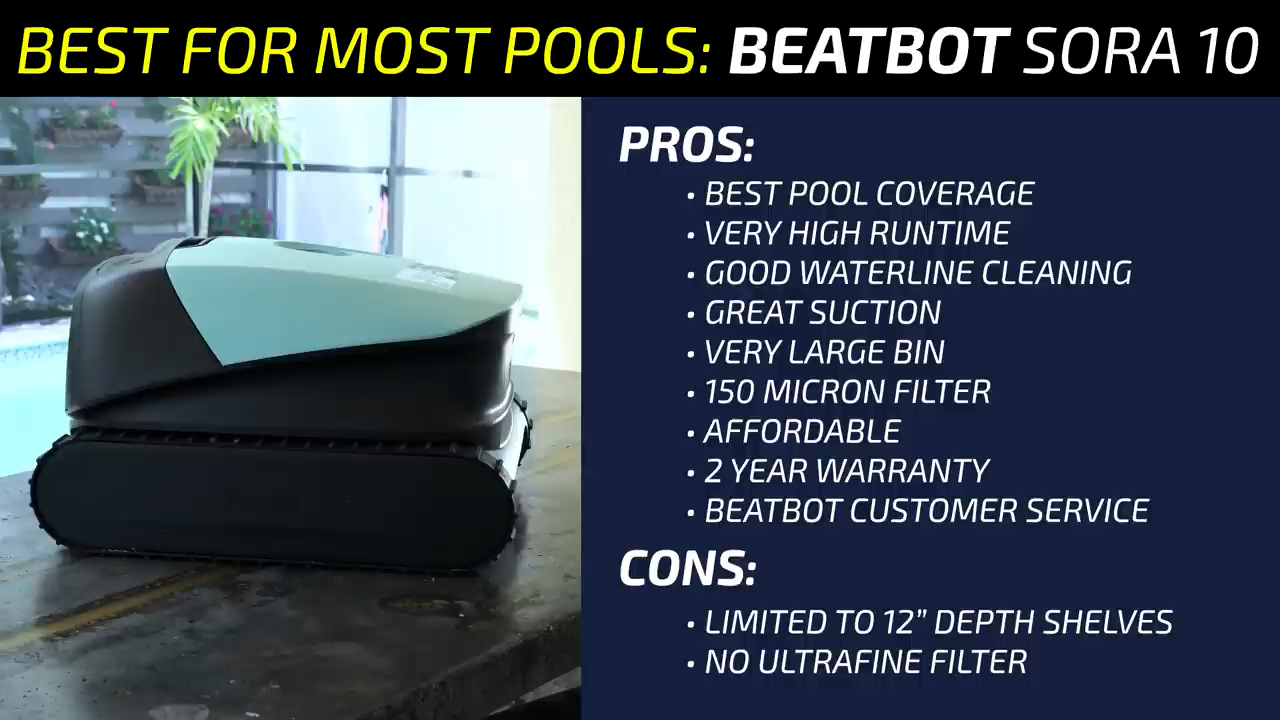
Starting with the best option for most people watching this video: the Beatbot Sora 10. It had the best pool coverage, strong runtime, good waterline cleaning, excellent leaf pickup with a giant debris bin, and a slightly finer filter mesh than most of the other robots in the video. If you combine that with the fact that it is very affordably priced and is made by Beatbot, who is known for their excellent customer service and warranty support, it’s probably the most confident I’ve ever felt in a pool vacuum recommendation.
The only downsides I can tell are that the Sora 10 didn’t pass the 8” water depth sun shelf test, but according to Beatbot it can clean in as little as 12” of water. Also, the 150-micron filter basket won’t trap algae or fine sand and silt, and it appears that Beatbot’s optional 3-micron filter is only compatible with the Sora 30, not the Sora 10 for some reason.
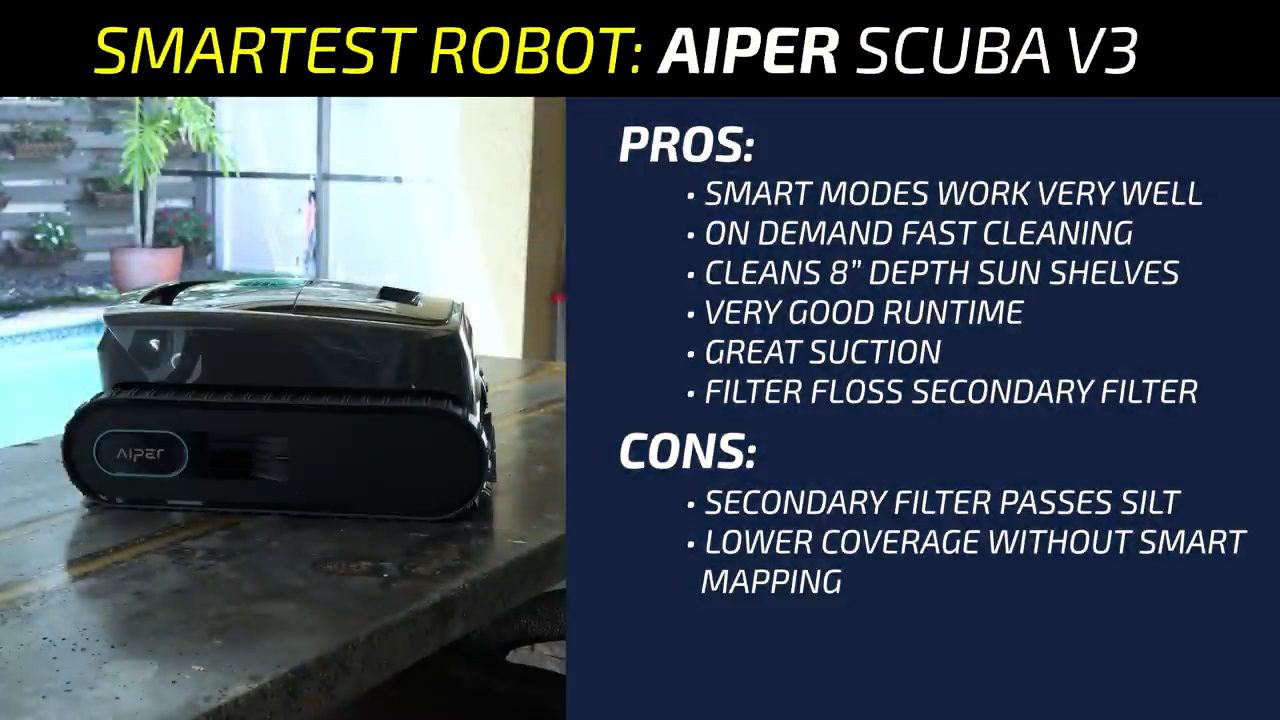
At a slightly higher price point, the Aiper Scuba V3’s intelligent debris hunting is one of the coolest features I’ve seen and makes on-demand cleaning possible, so you can just toss the robot into the water a few minutes before you want to swim and come back to a completely clean pool. The V3 also passed the 8” sun shelf test, making it an excellent option for cleaning even the shallowest areas of your pool, and that makes it my recommendation for people who are looking for more advanced features than the Sora 10 offers and are willing to spend a little more for those options. But even with its secondary floss filter, the V3 struggled with sending fine silt into the water column.
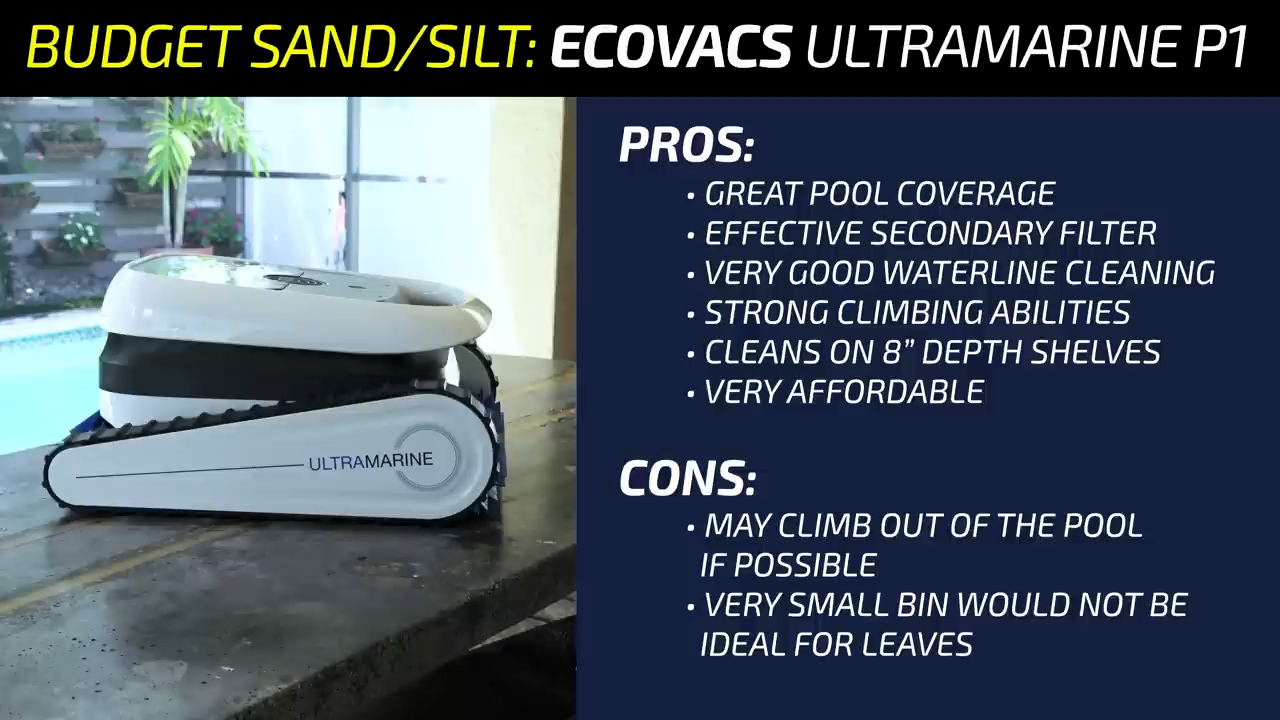
So, if your pool’s primary issue is fine sand and silt or pollen, the Ecovacs Ultramarine P1 is my budget pick with a very effective secondary floss filter, great waterline cleaning that reached over 3” out of the water, and the ability to climb onto very shallow ledges. But as I mentioned earlier, I am slightly concerned that it would climb out of the pool if given the chance, and the filter basket on the Ultramarine is extremely small, so it’s not a great option for pools that get a lot of leaf litter.
My higher end recommendation for a pool with sand, silt or pollen issues is the Dolphin Nautilus EON 100, which comes with a high capacity 60-micron primary filter and also had excellent waterline cleaning, but had better overall coverage than the Ecovacs and a much larger debris bin.
As always, there are no sponsored reviews on this channel but I do have links for all of the pool cleaners that I tested below and I appreciate it when you use those links since as an Amazon affiliate I do earn a small commission on the sale at no cost to you.
I’d also like to thank all my awesome patrons over at Patreon for their continued support of my channel, and if you’re interested in supporting my channel, please check out the links down in the description. If you enjoyed this video, please consider subscribing to my YouTube channel and as always, thanks for watching The Hook Up.