AWOL Aetherion Tested and Reviewed – Is it worth it?
March 4, 2026I’ve gotten a lot of requests to weigh in on the AWOL Aetherion Max, an ultra-short throw projector that’s currently on Kickstarter for $2099 and has raised an impressive $14.8 million dollars thus far. AWOL sent me an early unit to test, so I’ve compiled a list of questions that people have been asking me, and I’ve spent a few days testing to be able to give the best answers possible.
First question, are AWOL’s listed brightness values accurate?
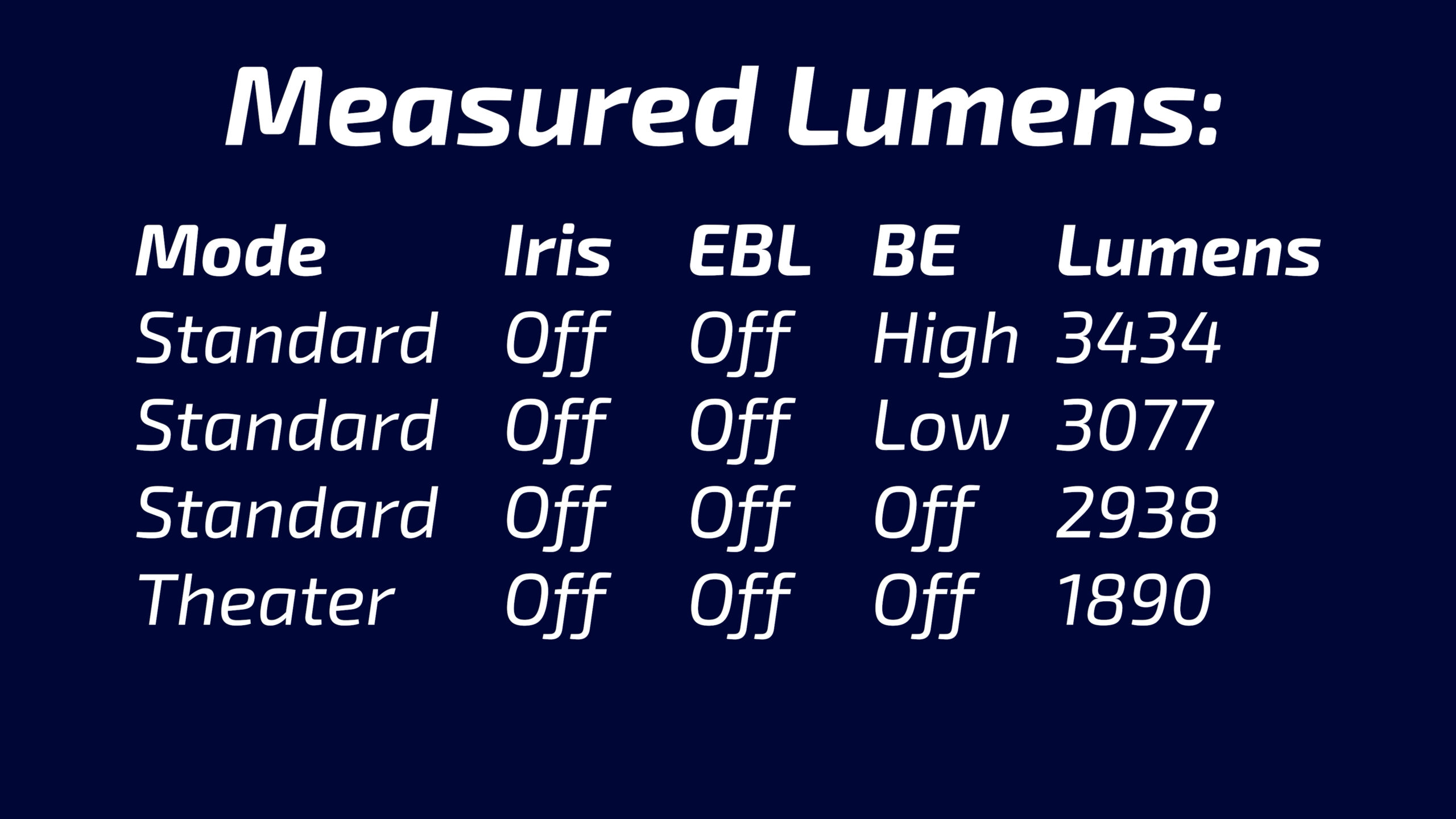
On the Kickstarter page, AWOL lists 3300 ISO lumens. In my testing I was able to get 3434 lumens measured at the center of the screen using the ISO methodology measuring with a lux meter parallel to, and in line with, the screen.
However, that measurement was taken in Standard mode with brightness enhancer on high, which I would not consider to be a usable mode due to poor color accuracy. So, instead I would consider the Aetherion to be usable with just under 3000 lumens in Standard mode with brightness enhancer off and if you put it in its most accurate mode which is Theater, the Aetherion is substantially dimmer at around 1900 lumens.
Next question, is this really the highest contrast ultra-short throw projector on the market?
The answer to that is a little complicated because in Standard mode where I measured the highest usable brightness, the Aetherion has an impressive 3500:1 native contrast. But the Aetherion has two different ways to increase contrast. First, there is a motorized iris that will sacrifice brightness for increased contrast, and the Aetherion can be set to seven different manual levels or two different preset levels where AWOL believes the Aetherion provides the best performance.
Each of these levels is still considered a native contrast value because the iris will not change while watching content. You can see that for Theater mode, changing the iris from fully open to the Cinema 2 increases contrast by about 50% while reducing brightness by about 30% down to about 1340 lumens. The advantage to a motorized iris like this is that it allows you to make a choice between higher brightness and higher contrast based on your screen size and room conditions, but it’s important to remember that you won’t get the best of both worlds like you could with a dynamic iris.
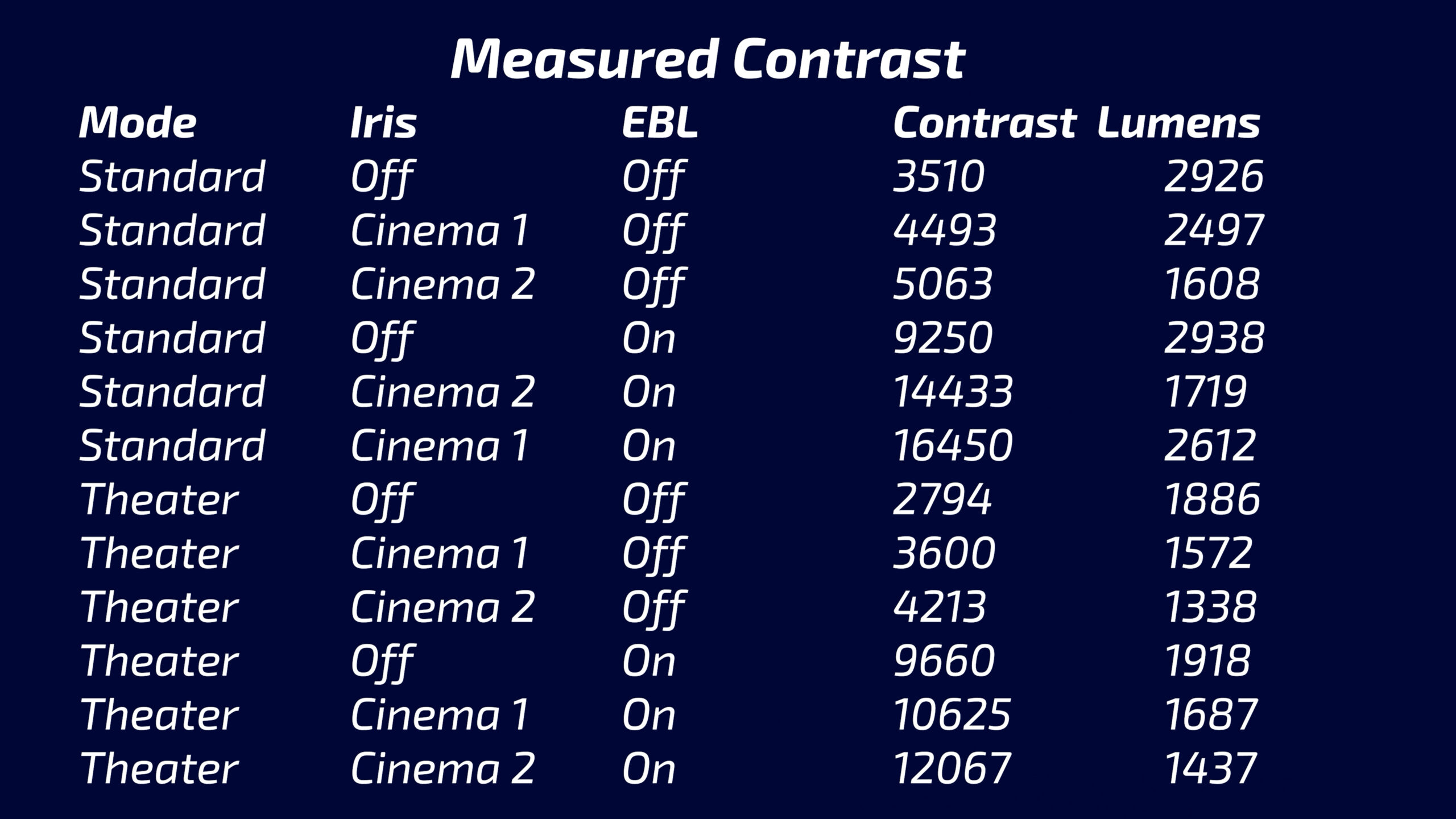
Next, the Aetherion also has a similar dynamic laser dimming system to the Valerion lineup of projectors that AWOL calls Enhanced Black Level or EBL. The Valerion version is widely regarded as being the most impactful dynamic contrast system on the market, and from what I’ve seen, the Aetherion has the potential to be as good as the Valerion version but as of now has more issues with white clipping than I’d like.
Question 3 is whether the Anti-RBE function on the Aetherion works as well as the Valerion Max.
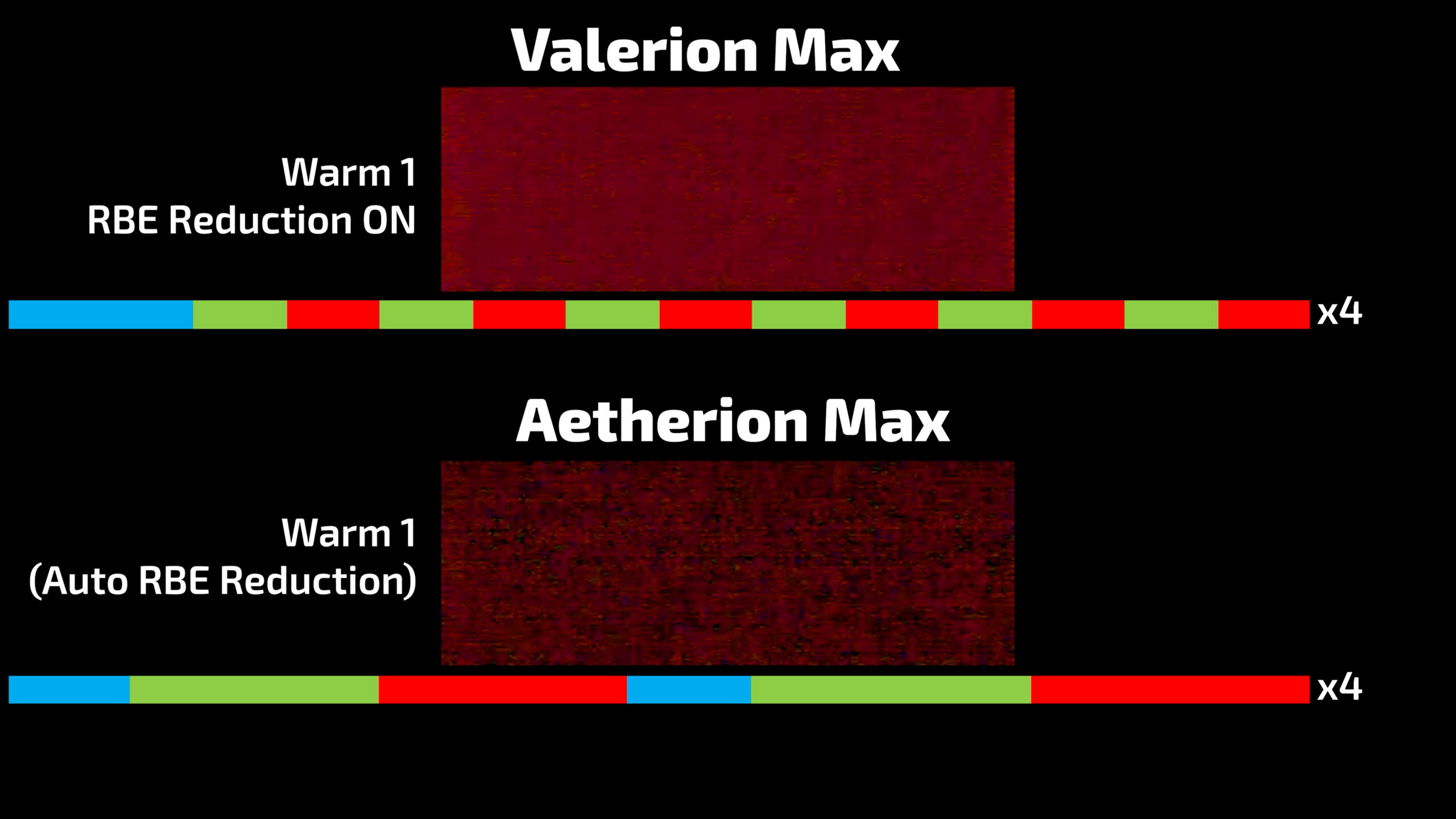
In my testing, using my high-speed camera to record at 40,000 frames per second, the Aetherion’s RBE reduction appears to be just as effective, but uses a completely different method. So, while the Valerion rapidly flashes green and red to achieve 48 total color flashes per frame but only 4 blue flashes, the Aetherion just doubles the normal color sequencing speed of a DLP projector and has 24 total color flashes including 8 blue flashes, which as I said, seems to be just as, if not more effective, than the Valerion solution. But it is only available when using the Warm 1 color temperature, which as I said has a lower lumen output around 1900 lumen maximum.
Question 4 is a big one, and that’s whether the Aetherion Max is a better projector than last year’s top picks from my UST video, the Nexigo Aurora Pro MKII which was my dark room projector pick and the Hisense PX3-Pro which was my pick for the best all-around UST projector, and I’ll answer the easy question first.
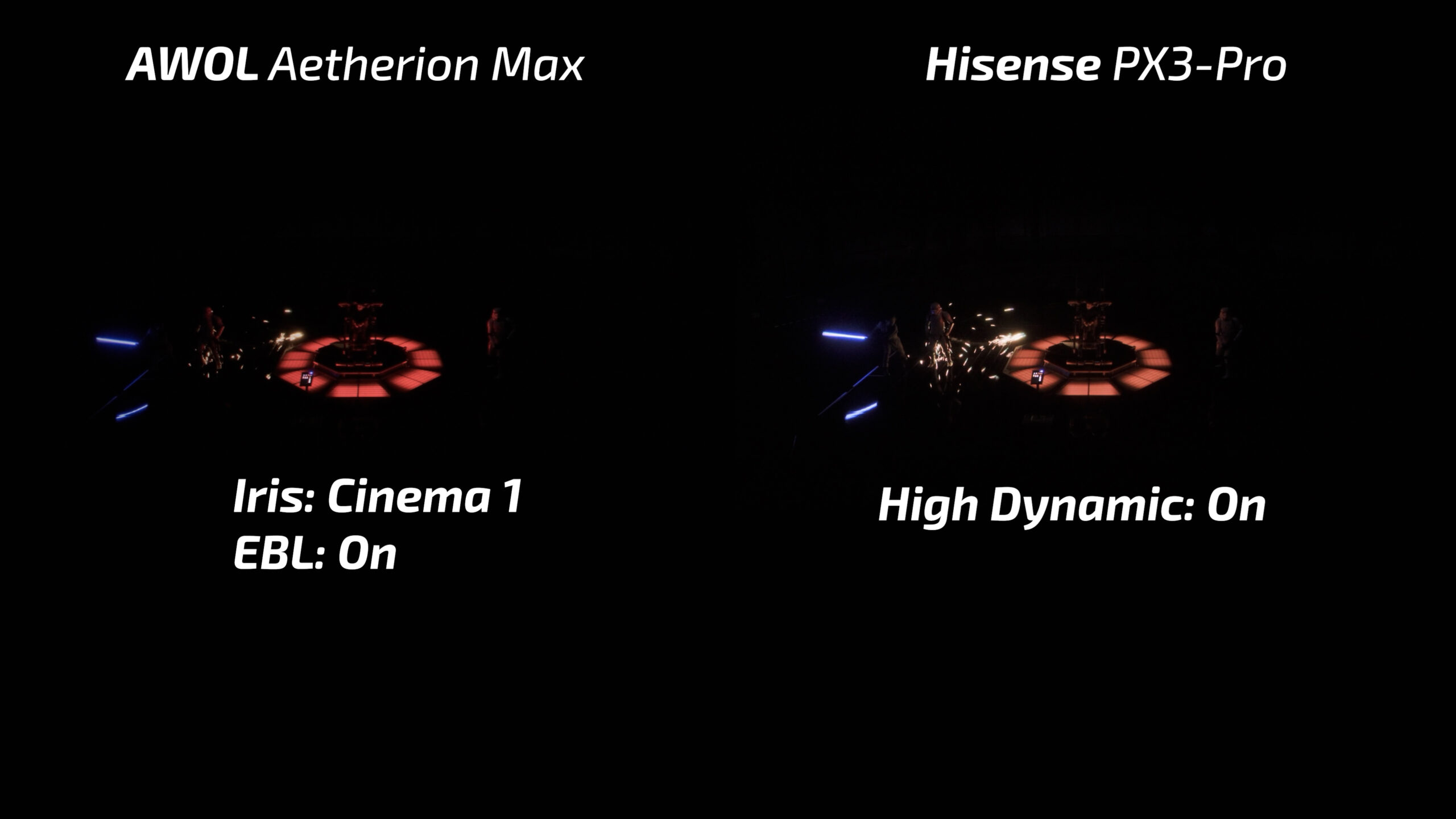
The Aetherion Max is better than the Hisense PX3-Pro in every way. It’s brighter, has better contrast, a motorized iris, more effective dynamic laser dimming, better focus, RBE reduction, and the latest generation of DLP controllers and image processing chips. So, if you’re choosing between PX3-Pro and Aetherion Max there’s no question.
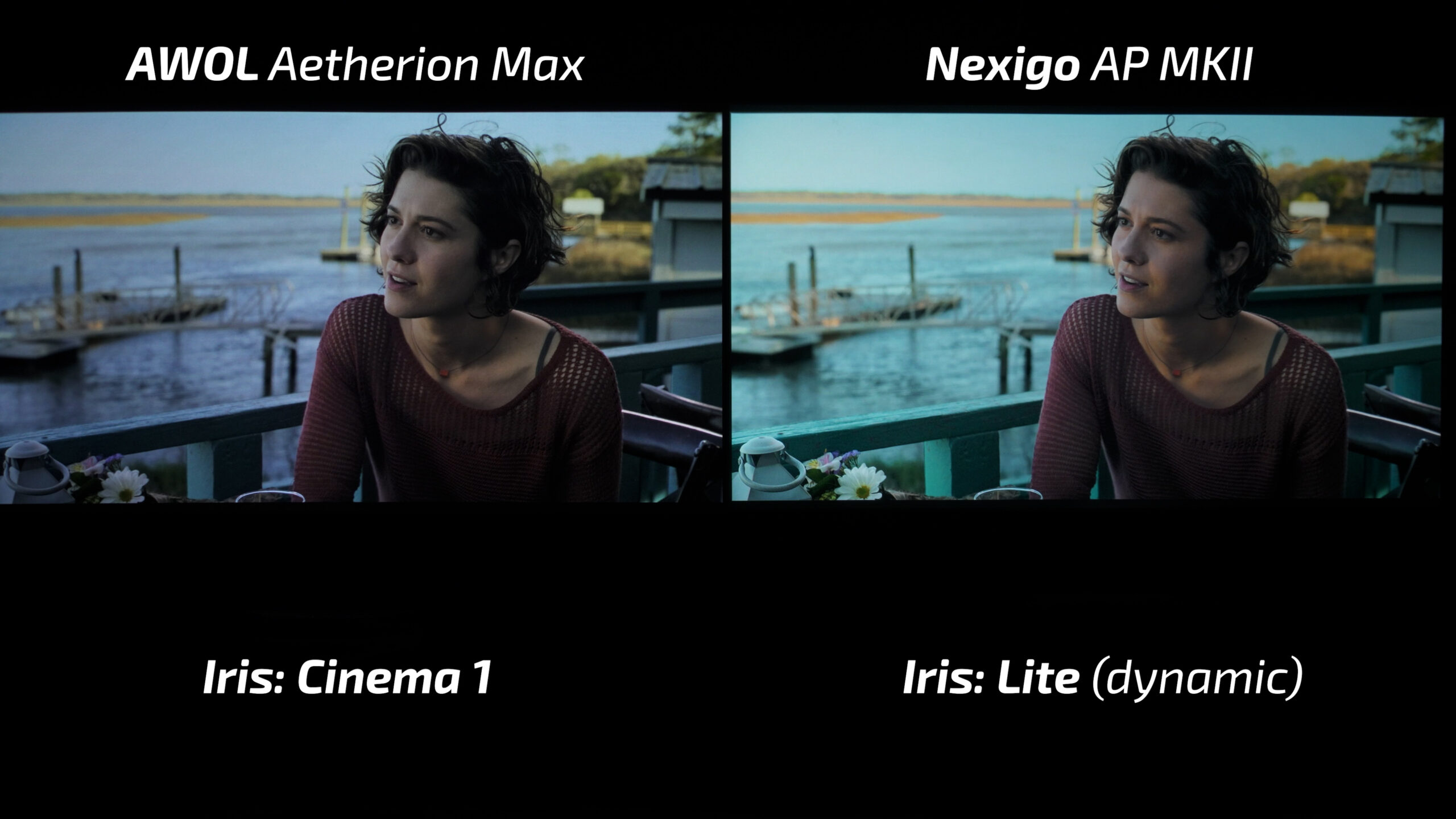
However, Nexigo Aurora Pro MKII is a completely different projector than the Aetherion. While the Aetherion has higher contrast than the Nexigo at every comparable brightness level, the Nexigo’s iris is dynamic, meaning that when the content calls for bright highlights the iris can open all the way up, but in the darkest scenes it can clamp down and deliver excellent contrast, unlike the Aetherion where you will need to choose between high brightness and high contrast.
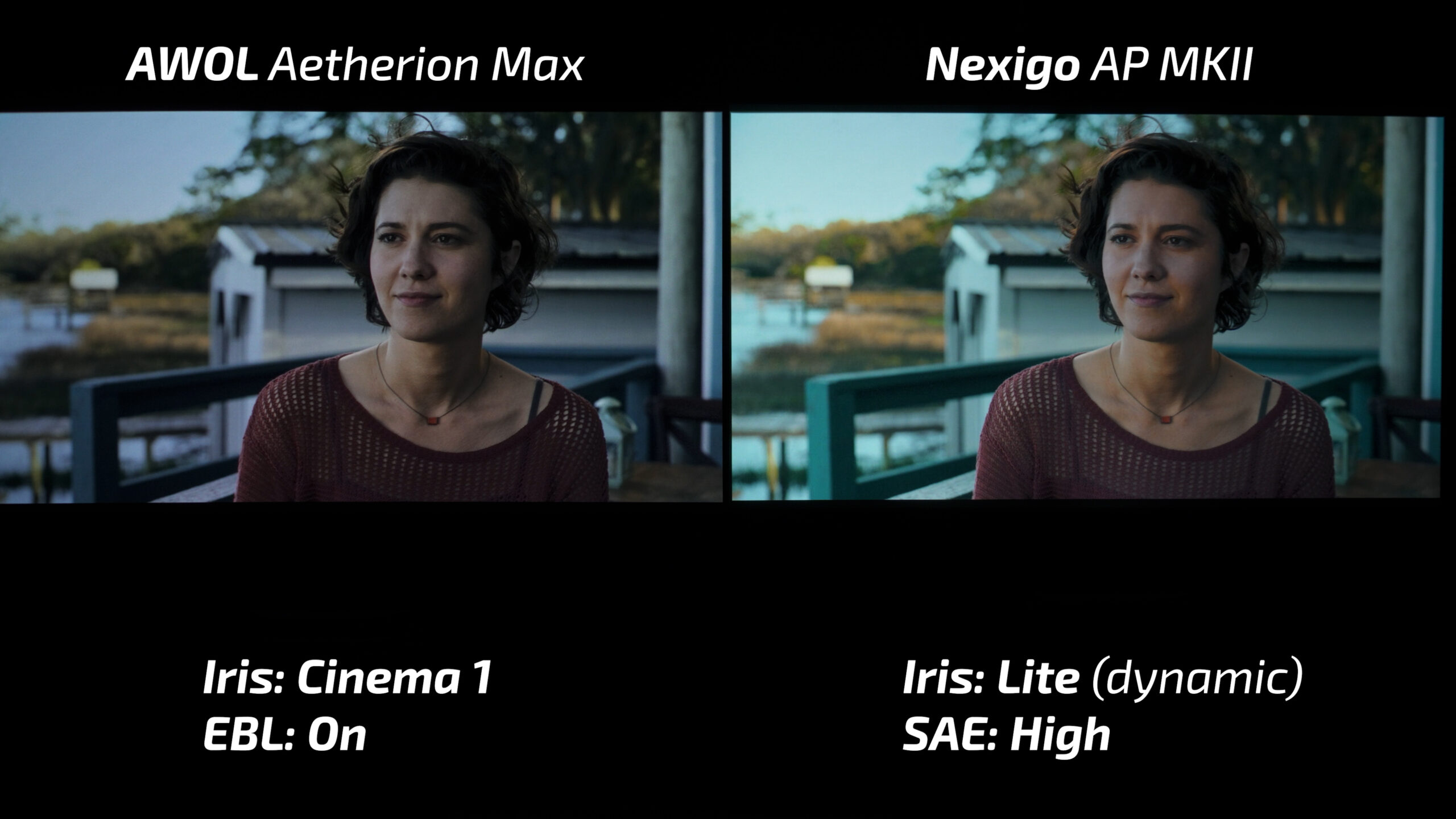
The Aurora Pro MKII also uses a hybrid ALPD light source that combines RGB lasers with a phosphor wheel which significantly lowers laser speckle and helps prevent a phenomenon called metamerism where individual people perceive colors differently on a pure RGB laser projector like the Aetherion due to small differences in the color detecting cone cells in their eyes.
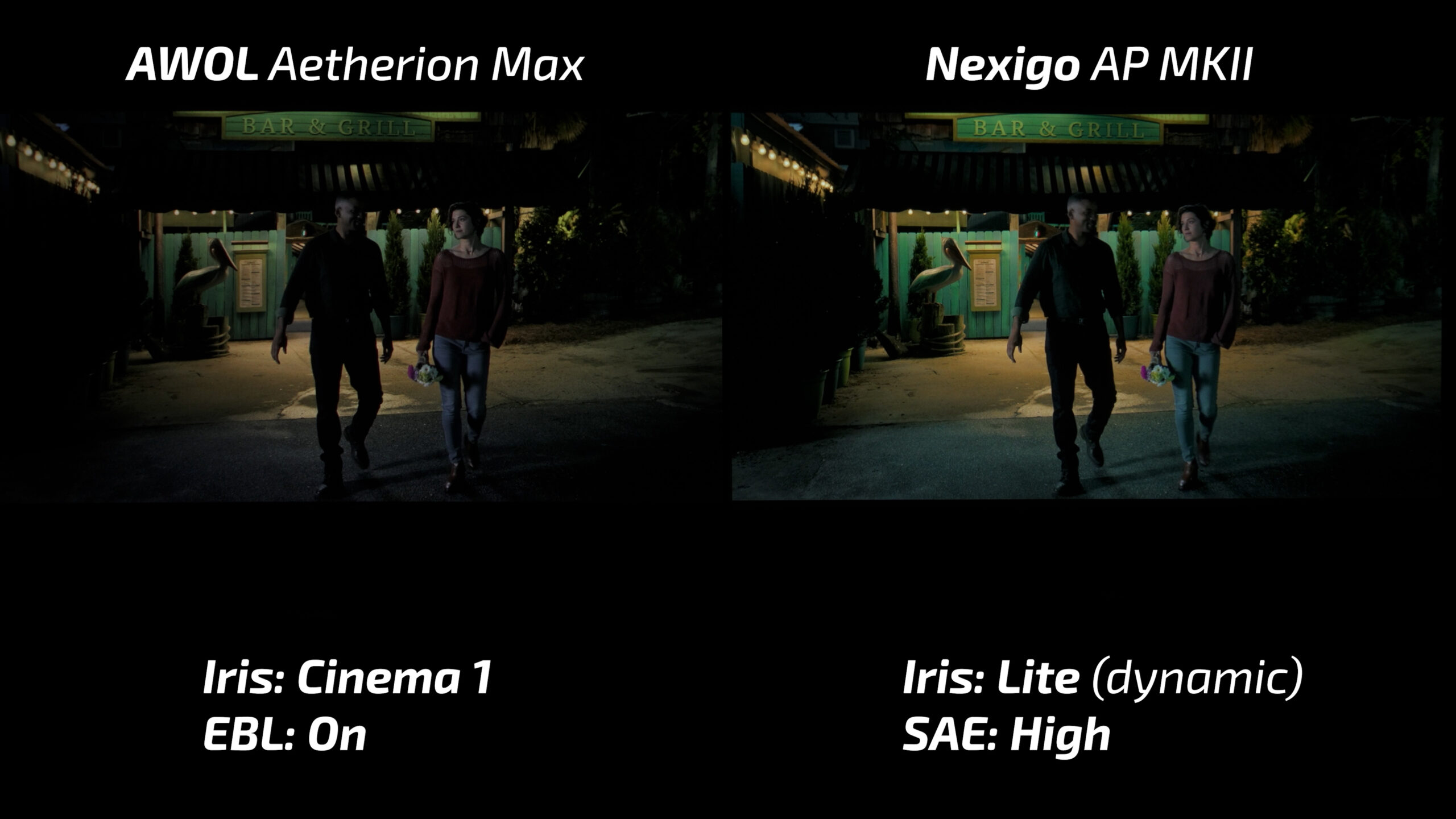
That said, Aetherion is noticeably brighter than the Nexigo Aurora Pro MKII when they are both set to their highest usable lumens, and the Aetherion has substantially better focus and sharpness compared to the Nexigo.
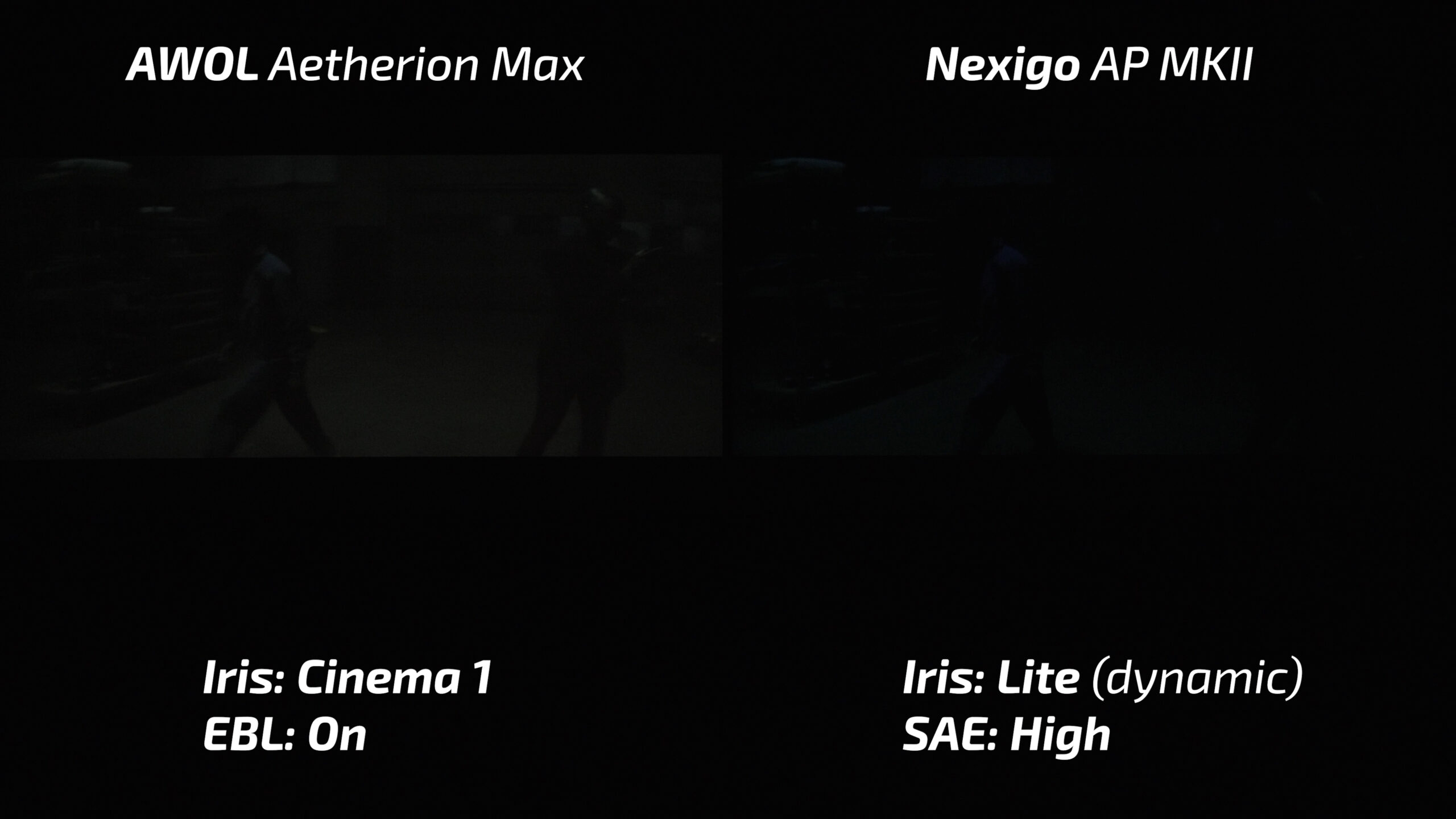
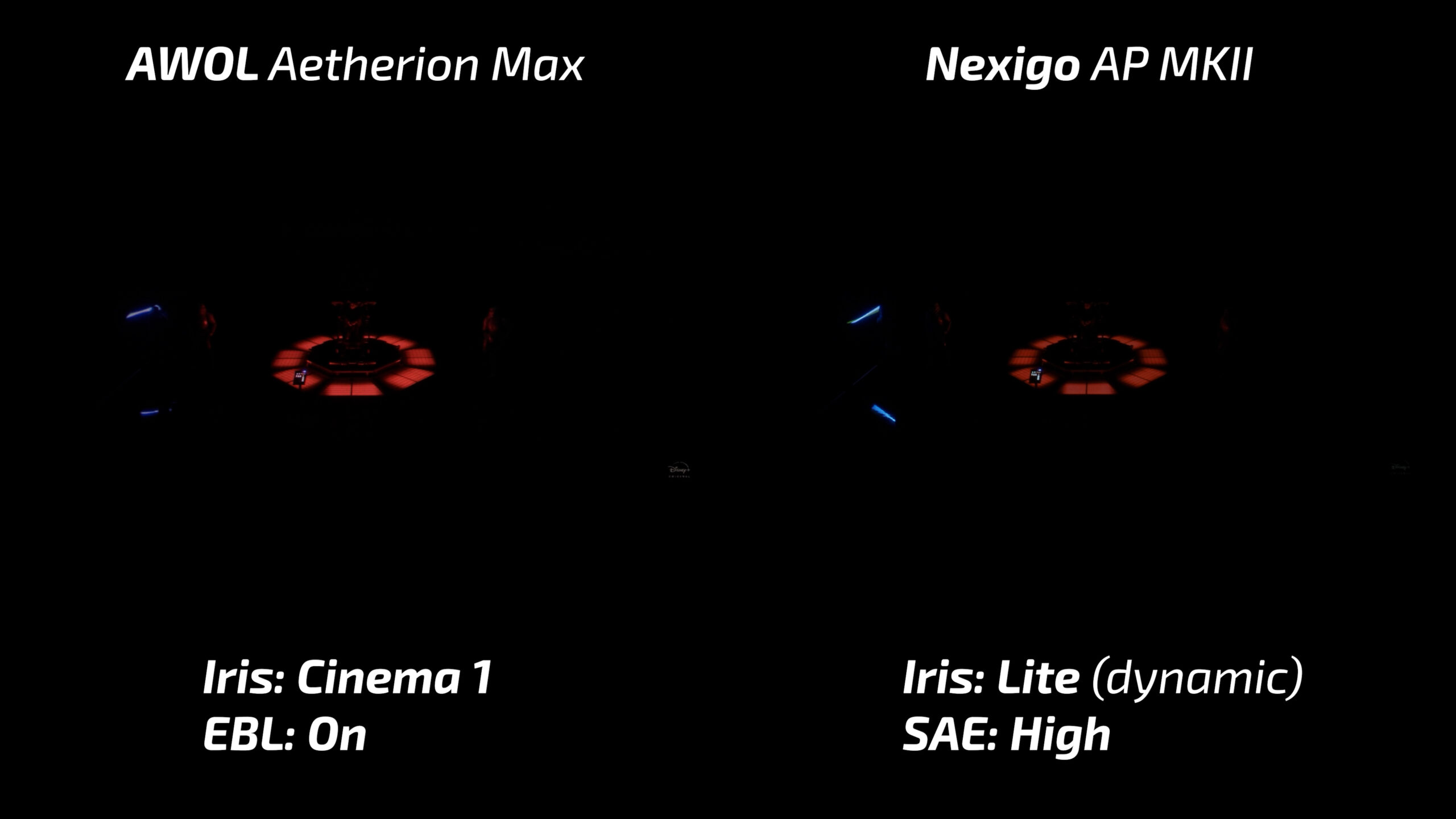
That leads me to big question number 5, which is whether I think people should back the Aetherion on Kickstarter.
I can say without a doubt that if your budget for a projector is around $2000, the Aetherion Max at the Kickstarter price is an insane deal.
In 2026 we will see the release of the Hisense PX4-Pro and the Nexigo Aurora Pro MKIII. Both of those projectors have the potential to match or exceed the performance of the Aetherion Max, but neither of them is going to be able to do it for $2000. So, if you’re here months from now wondering whether you should buy the Aetherion for its MSRP of $4000 or a different UST like the PX4-Pro and MKIII, that answer is going to be a lot more complicated. But at $2000, the Aetherion is a no brainer and a big upgrade from basically every other UST on the market other than the Nexigo Aurora Pro MKII which remains relevant due to its dynamic iris and ALPD light source.
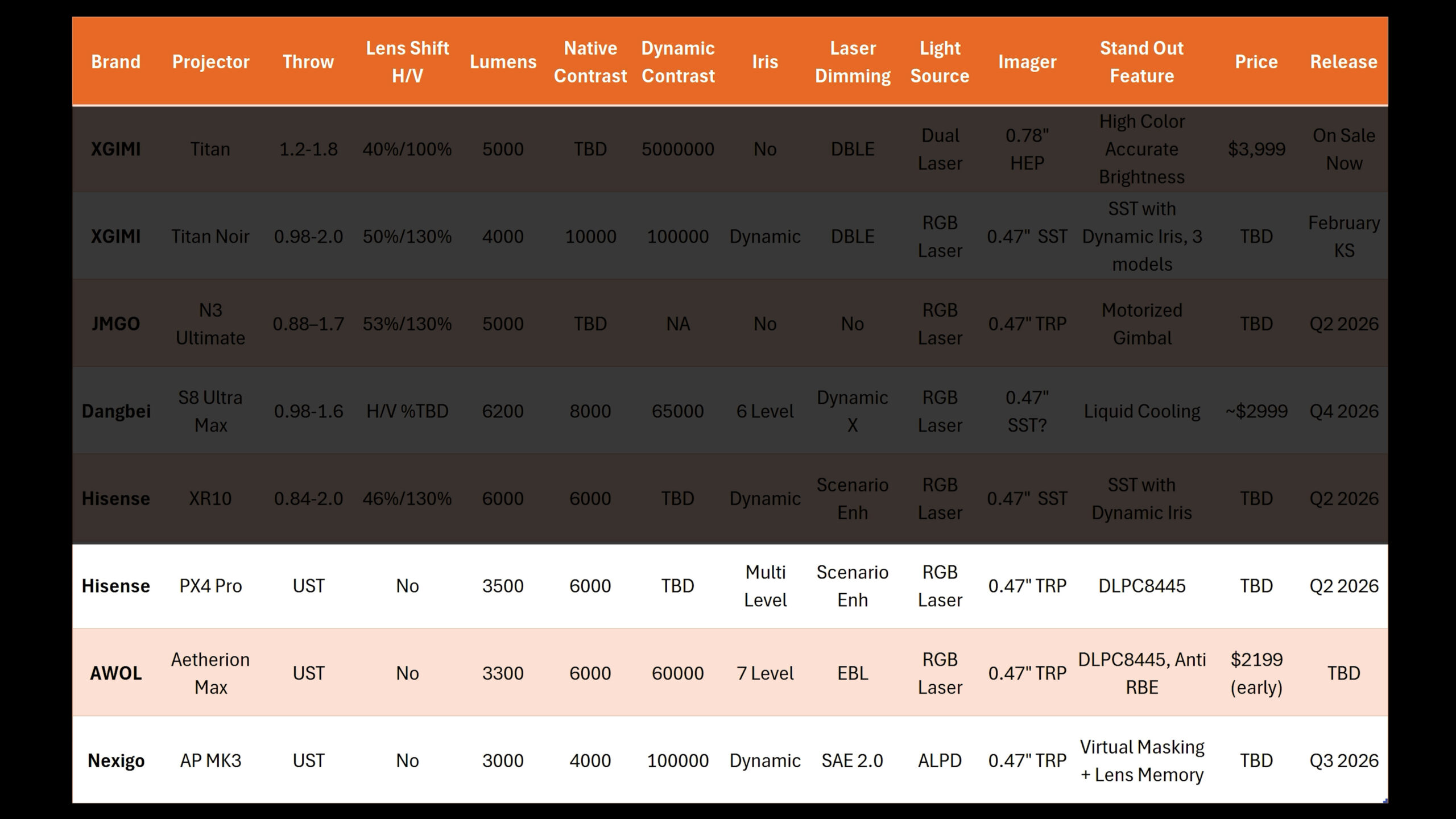
If you decide to join the Aetherion Kickstarter I’ve got an affiliate link below, and as always, I appreciate when you use those links since I do earn a small commission on the sale at no cost to you.